
Why Roofing Experts Can Help Extend Your Roof's Lifespan
A reliable overhead protective barrier represents an essential structural asset for any residential property, shielding interior living spaces, structural framing, and occupants against harsh weather elements. Continuous exposure to intense sunlight, heavy rainfall, atmospheric moisture, freezing winter temperatures, and blowing wind debris gradually degrades surface materials over extended operational periods. While surface materials are manufactured for long-term endurance, neglecting subtle signs of physical wear accelerates material breakdown and risks premature structural failure. Homeowners who prioritize proactive exterior management recognize that maintaining an overhead barrier requires technical knowledge, specialized safety protocols, and comprehensive diagnostic evaluations. Partnering with seasoned roofing experts ensures that minor material compromises are identified, systematically assessed, and accurately repaired before widespread structural damage occurs. Regular diagnostic assessments preserve the protective capability of top-layer materials while reinforcing underlying structural components against environmental stress. Taking a proactive approach toward exterior preservation safeguards property value, maintains indoor comfort, and extends the functional operational duration of weatherproofing materials. Understanding the distinct operational benefits of professional care allows property owners to make informed decisions regarding their ongoing residential care schedules. Consistent attention prevents minor surface wear from developing into severe internal damage.
Identifying Early Signs of Wear and Tear
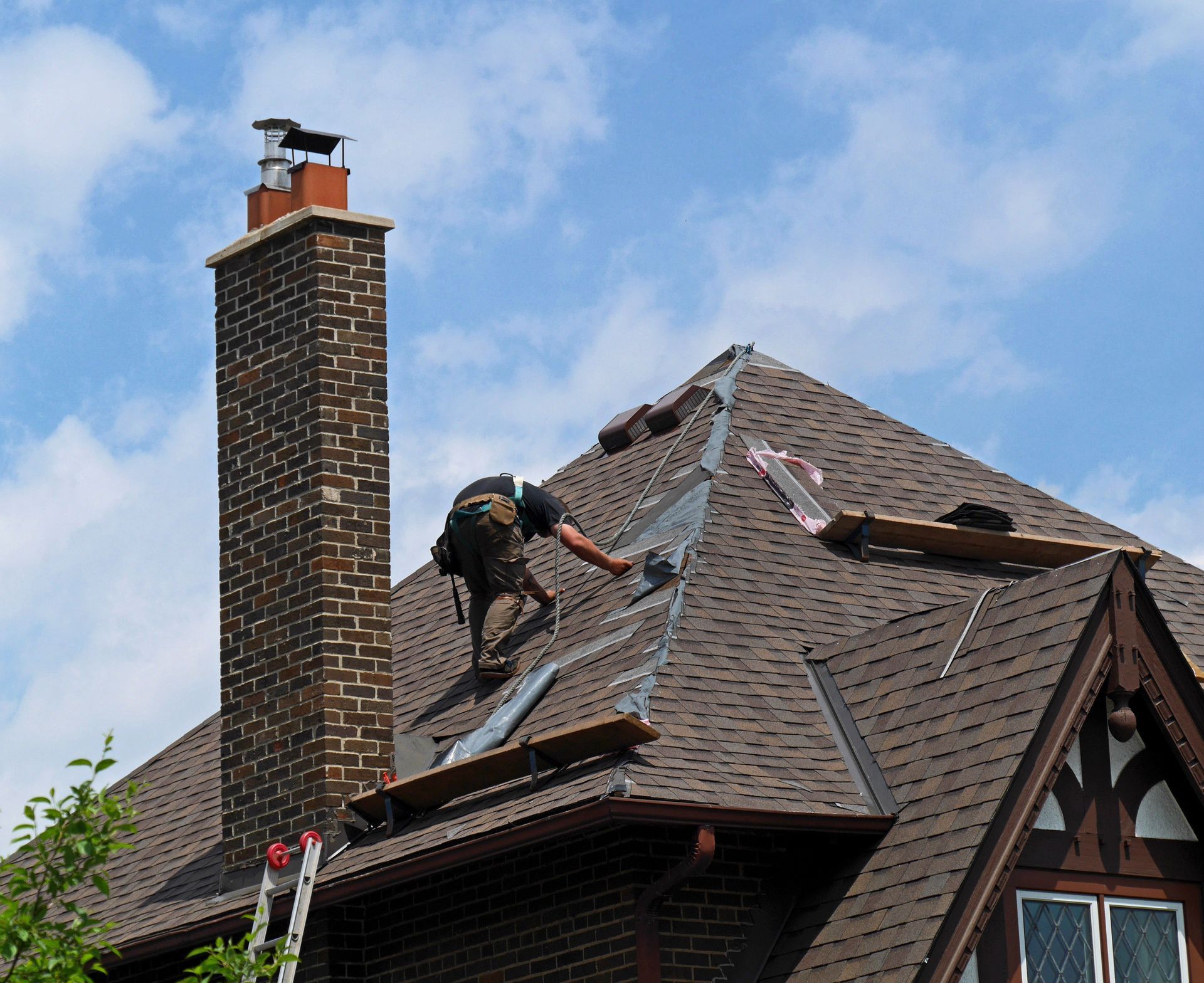
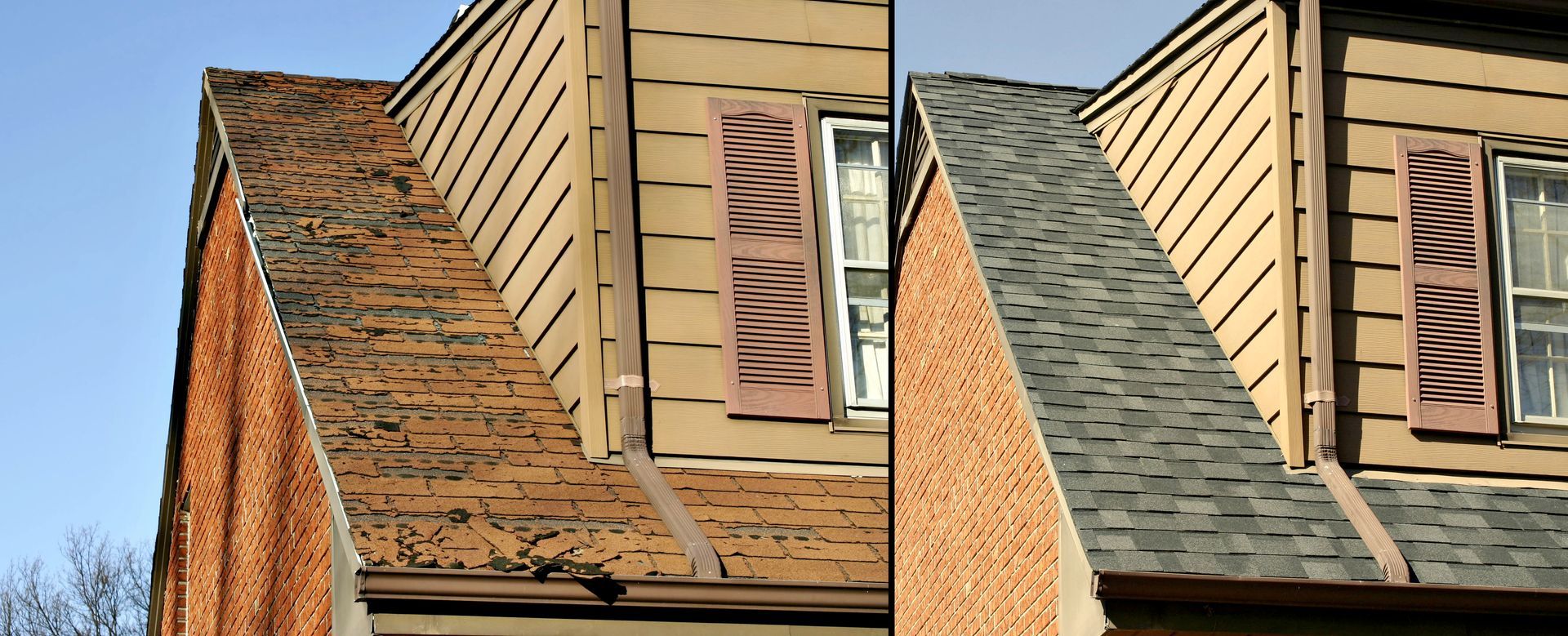
Surface materials experience constant environmental pressure that slowly degrades physical integrity over many years. Individual shingles can develop hairline surface fractures, lifted edges, subtle granule loss, or minor alignment shifts that remain virtually invisible from ground level. When these minor surface compromises are left unaddressed, wind-driven moisture penetrates beneath top protective layers, reaching the underlying wooden deck and underlayment sheets. Specialized roofing experts possess the diagnostic capabilities necessary to detect subtle physical deterioration during routine elevation surveys. Discovering minor material displacement early allows technicians to apply targeted repairs, preventing moisture from saturating interior roof decking and structural support rafters. Catching small defects before water breaches internal barriers preserves the original strength of structural materials and eliminates the need for premature total replacement. Furthermore, professional evaluations examine structural ridge lines, valleys, and perimeter eaves where physical stress frequently concentrates. Systematic surface reviews ensure that every square foot of protective material functions as intended, keeping the entire upper building frame completely dry and resilient against sudden seasonal weather changes. Detailed evaluations provide property owners with complete clarity regarding current material conditions.
Executing Systemic Maintenance and Care
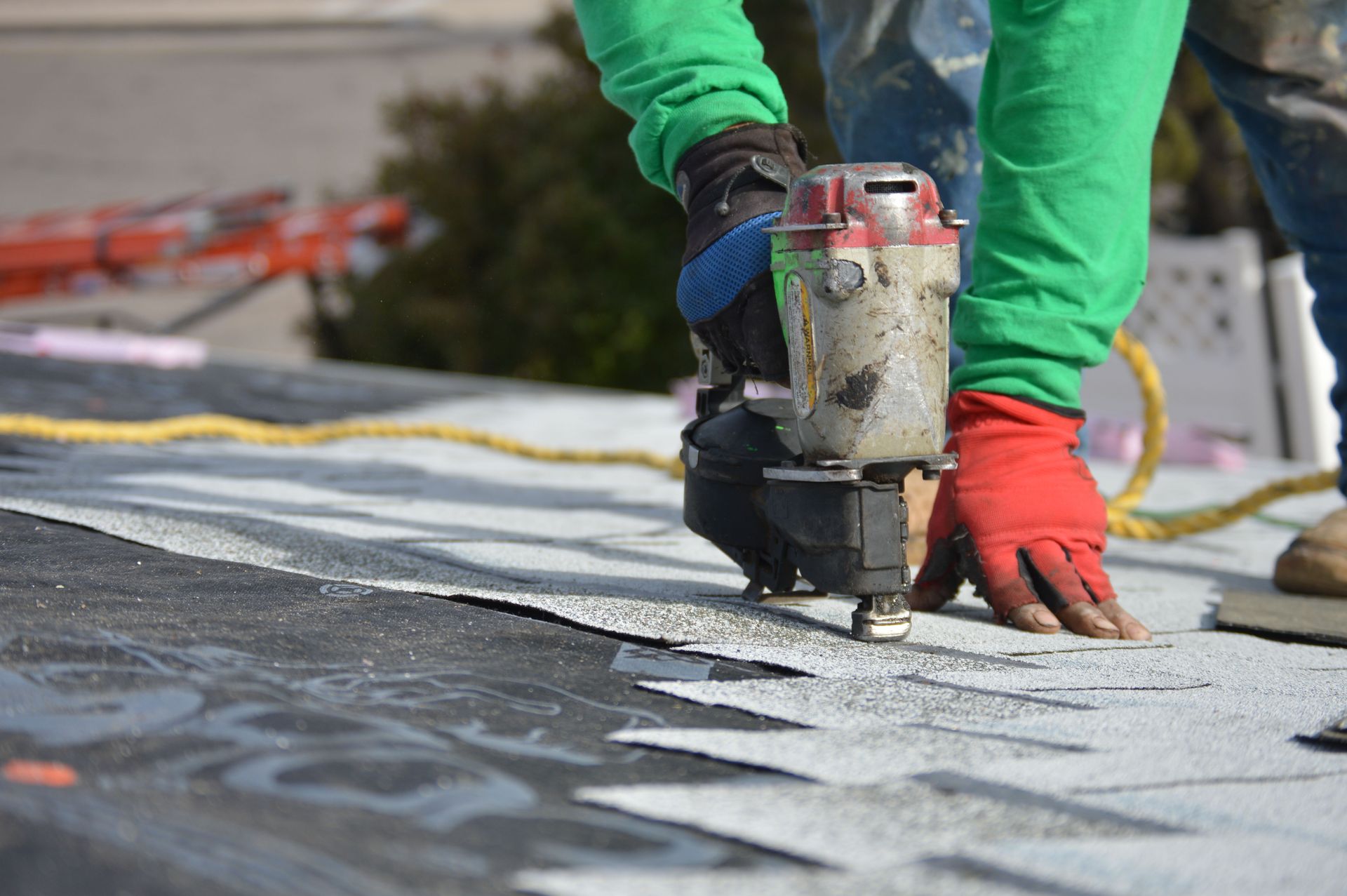
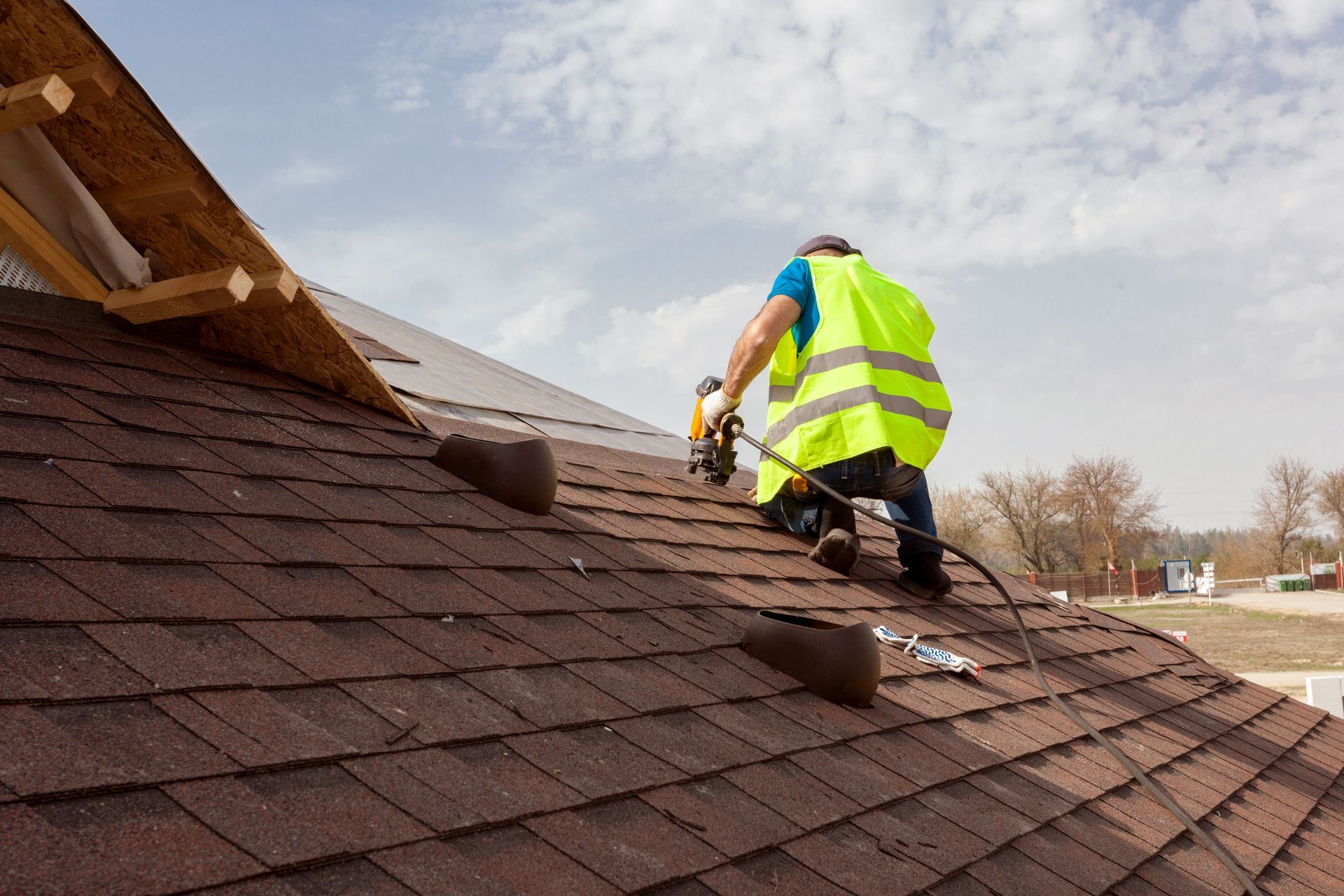
Preserving an overhead barrier requires far more than passive observation or occasional localized spot repairs after heavy rainstorms. Comprehensive preservation involves systematic cleaning routines, debris removal from drainage valleys, seam reinforcement, and careful examination of all exposed mechanical fasteners. Accumulated organic debris, such as fallen leaves, pine needles, and small tree branches, holds moisture directly against surface materials, encouraging moss growth and premature surface decay. According to Business Insider, more than five million new roofs are placed on residences across the nation each year. Regular surface clearing prevents moisture traps and stops biological organisms from breaking down protective surface coatings. Engaging qualified roofing experts ensures that technical maintenance routines are performed safely and effectively using appropriate industrial equipment. Experienced technicians apply targeted treatments that eliminate moss and algae spores without stripping away protective surface granules or damaging delicate material bonds. Periodic physical adjustments, such as securing loose perimeter flashing and resealing exposed structural joints, maintain complete weatherproofing continuity. Consistent maintenance protocols minimize cumulative environmental wear, allowing upper structural barriers to perform at peak capacity throughout their entire intended service life.
Improving Ventilation and Thermal Efficiency
Proper air circulation beneath upper structural decking remains a vital yet frequently overlooked aspect of long-term exterior preservation. Inadequate attic ventilation traps excessive ambient heat and humidity within upper building cavities during hot summer periods. Excess heat bakes surface shingles from underneath, causing premature material curling, brittleness, and rapid granule detachment. During colder winter periods, interior warmth escaping into poorly ventilated attic spaces melts accumulated snow on upper roof surfaces, creating ice dams along cold eaves that force water under shingle edges. Dedicated roofing experts evaluate overall attic airflow dynamics, checking ridge vents, soffit intakes, and gable louvers to ensure balanced atmospheric exchange. Correcting ventilation imbalances reduces thermal stress on upper materials, preventing structural warping and interior moisture condensation. Proper airflow management prevents structural wood rot, preserves ceiling insulation effectiveness, and keeps upper decking materials dry throughout fluctuating weather patterns. Balancing interior thermal dynamics protects the structural framework from accelerated aging caused by heat entrapment. Ensuring uninterrupted air circulation extends material durability while supporting a stable, comfortable indoor climate across every room below. Sound ventilation setups reduce unnecessary physical strain on structural materials.
Securing Critical Flashing and Sealants
Structural junctions, chimney bases, plumbing vent pipes, skylight perimeters, and wall intersections represent vulnerable points of any upper weatherproofing system. These transition zones rely on specialized metal flashing strips and high-performance elastomeric sealants to divert rushing rainwater away from seam openings. Over time, continuous thermal expansion and contraction cause metal flashing components to loosen, warp, or pull away from adjacent masonry and siding materials. Additionally, exposed sealants gradually crack, dry out, and lose elasticity due to persistent solar ultraviolet radiation exposure. Trained roofing experts examine these high-stress seam areas closely, replacing deteriorated sealants and refitting loose metal flashing components. Securing perimeter junctions stops driving rain from penetrating behind vertical wall cladding and sinking into interior wall framing. Replacing compromised sealants preserves continuous water shedding across complex architectural angles where water naturally concentrates during heavy downpours. Maintaining impermeable seals around all roof penetrations eliminates hidden leakage paths, preventing structural decay within hidden ceiling cavities. Precision maintenance of flashing assemblies ensures that high-risk architectural junctions maintain the same protective strength as flat surface areas. Reinforced seam seals safeguard building interiors from sudden water intrusion.
Mitigating Impact From Weather and Debris
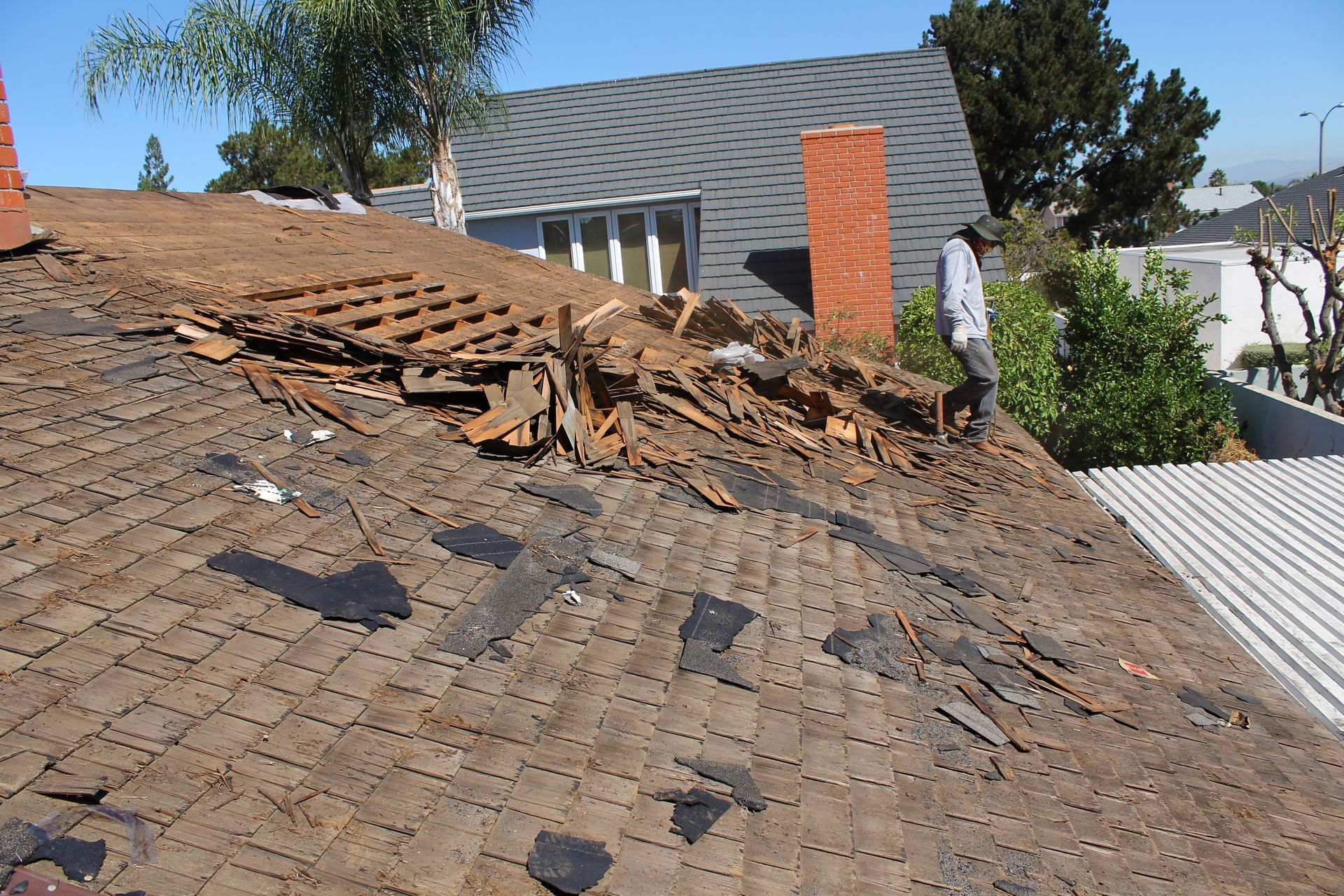
Severe atmospheric events, including high wind gusts, hail strikes, heavy snowfall, and falling tree limbs, subject overhead barriers to extreme mechanical stress. High winds can detach shingle tabs, breaking factory adhesive seals and exposing raw underlayment to driving rain. Hail impacts displace protective mineral granules, leaving vulnerable asphalt backing directly exposed to degrading solar rays. Clearing overhanging tree branches removes physical hazards that can scrape surface coatings or break structural decking during windstorms. Experienced roofing experts provide thorough post-storm evaluations, assessing hidden structural impacts that may not cause immediate internal leaks. Technicians identify subtle impact points, re-adhere lifted shingle tabs, and replace compromised sections before water entry occurs. Proactive storm response prevents localized physical damage from expanding into widespread structural decay across adjacent roofing materials. Reinforcing vulnerable sections after severe weather restores complete physical resilience, allowing the structure to withstand subsequent storm cycles without suffering progressive structural deterioration. Swift professional intervention keeps minor storm impacts isolated, preserving the structural integrity of the entire weatherproofing installation. Prompt physical remediation ensures long-term exterior durability.
Sustaining a durable, resilient overhead protective system requires continuous diagnostic attention, skilled preventive maintenance, proper ventilation management, and timely storm repairs. Addressing minor physical surface wear early prevents localized moisture entry from damaging underlying wooden decking and internal support structures. Engaging professional care protects your investment, maintains optimal indoor environmental comfort, and maximizes the operational longevity of your home's exterior barriers. Working alongside knowledgeable roofing experts provides total confidence that every surface component, seam junction, and ventilation channel remains fully optimized. If you are ready for a healthier, more durable overhead structure, contact us at Friend Construction today. We will help you protect your home with complete technical diagnostics and long-lasting quality care.
Share On: