
How Roofing Materials Affect Durability and Maintenance
Selecting appropriate structural components for roofing represents a pivotal choice when constructing or updating the uppermost exterior layer of any residential property. Material compositions govern weather defense capabilities, structural lifespan, thermal performance, and recurring upkeep obligations across decades of exposure. From traditional aggregate shingles to heavy quarried stone, every distinct product presents distinct physical traits, chemical behaviors, and environmental resistances that directly influence residential resilience. Understanding these inherent traits helps property owners balance immediate expenditures against prolonged structural requirements. Investing thoughtful analysis into material compositions preserves structural stability, reduces seasonal labor, and shields the building below from harsh natural phenomena through dependable building choices.
Evaluating Asphalt Shingle Performance Under Pressure
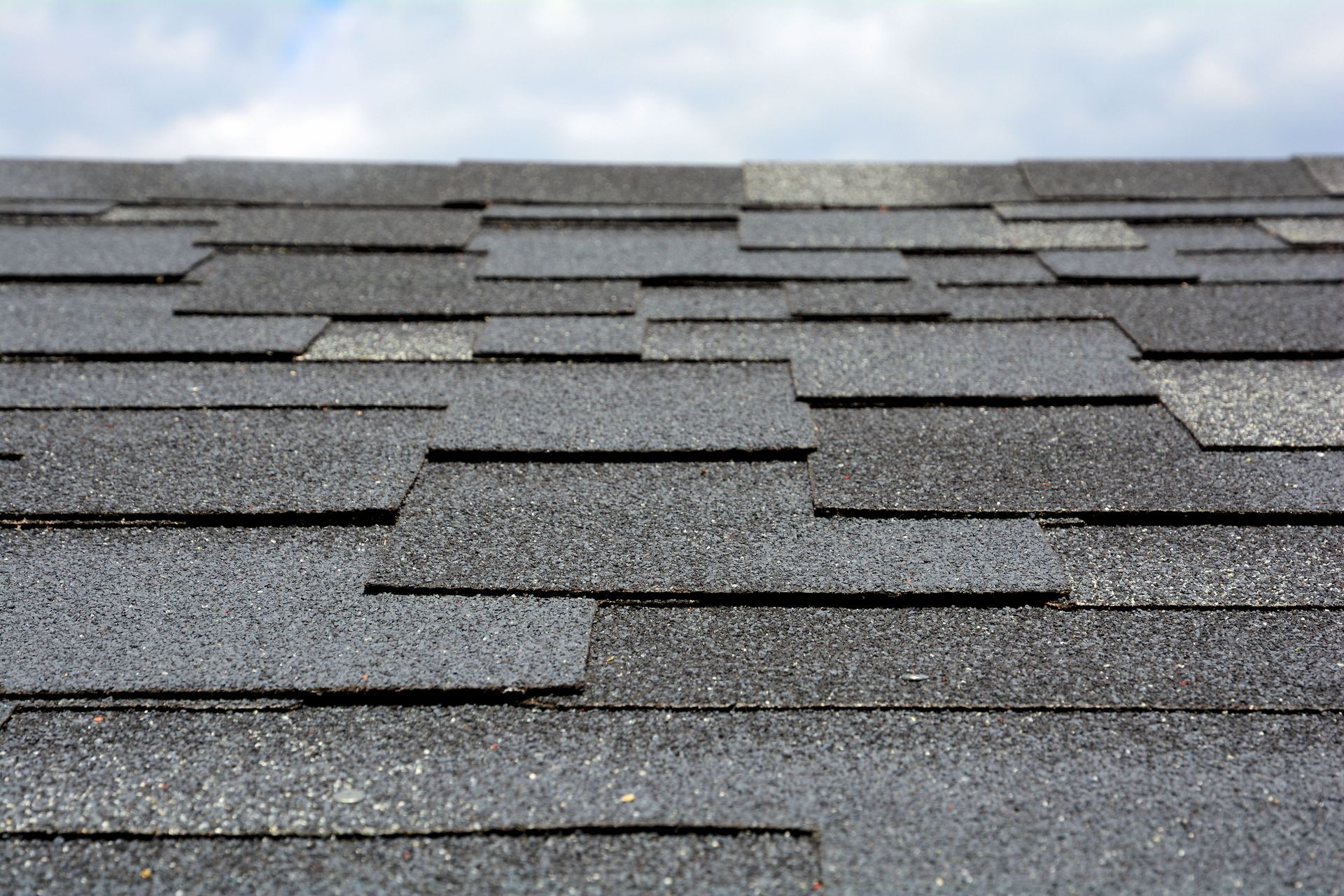
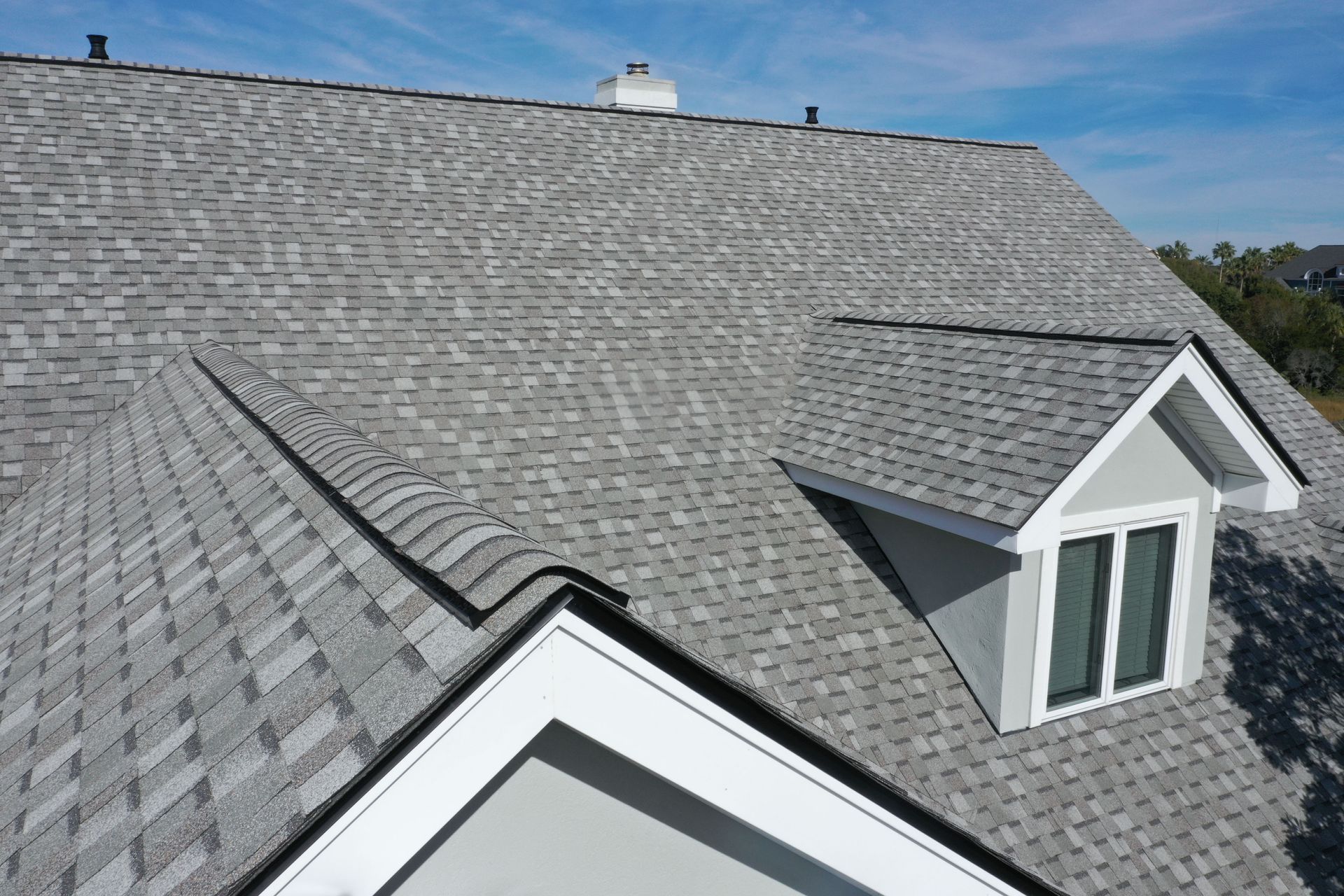
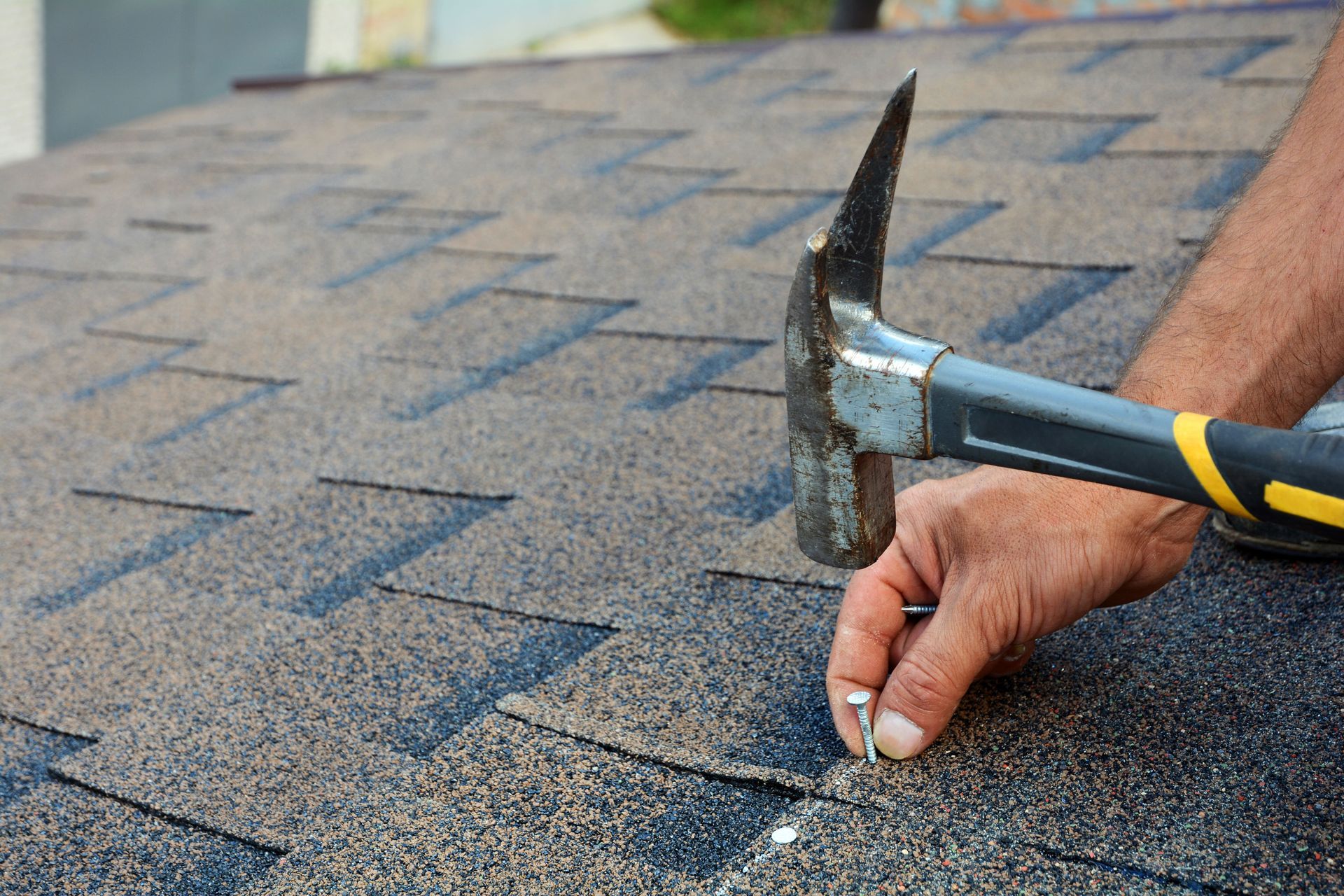
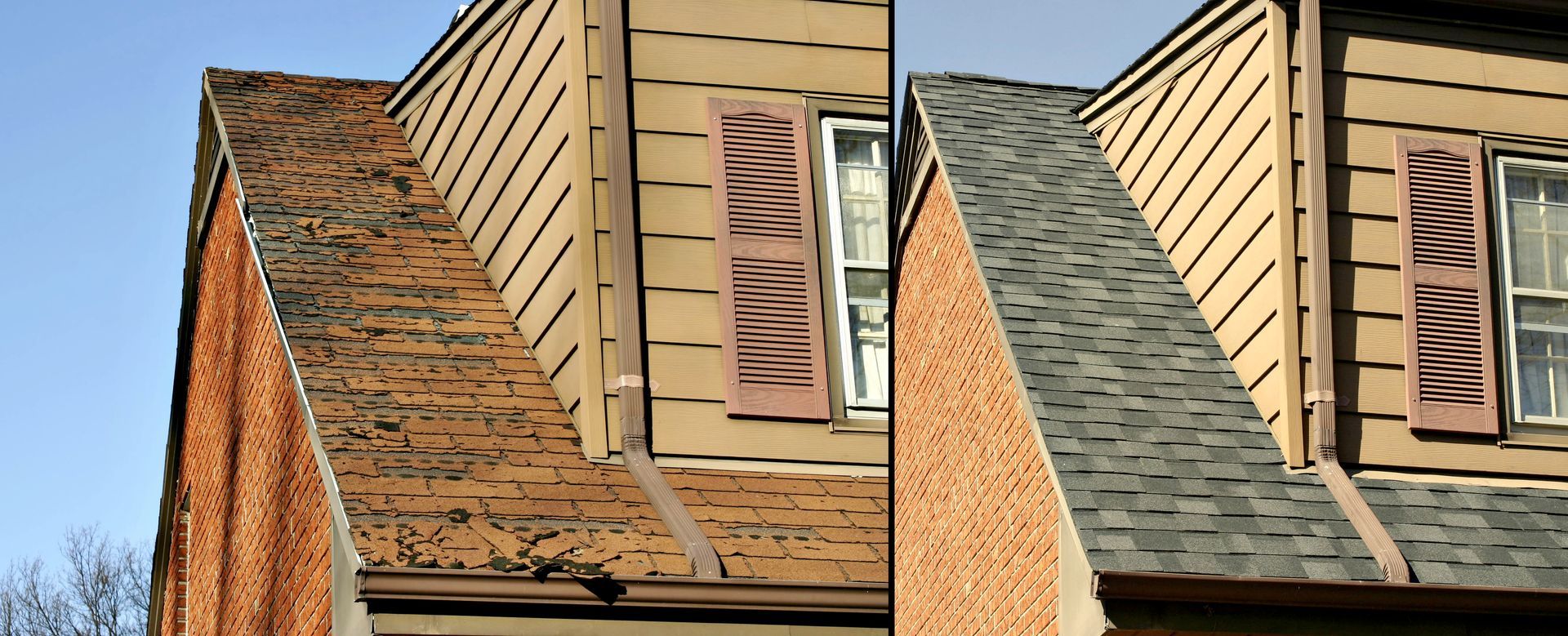
Asphalt shingles remain widely prevalent across modern residential architecture due to their affordable upfront cost and straightforward installation logistics. Petroleum-based composite shingles utilize fiberglass backing mats coated with asphalt and ceramic granules to reflect solar heat while resisting water infiltration. Intense exposure to cyclic freeze-thaw sequences or persistent summer ultraviolet radiation gradually strips these essential mineral granules from the surface, leaving underlying layers vulnerable. Property owners must routinely inspect their roof decks for curled edges, cracked tabs, and granule-choked gutters after severe thunderstorms. Timely attic ventilation checks and periodic moss removal prevent premature organic breakdown, maintaining standard structural resilience over predictable lifecycles.
Analyzing Metal Panels for Extreme Weather Defense
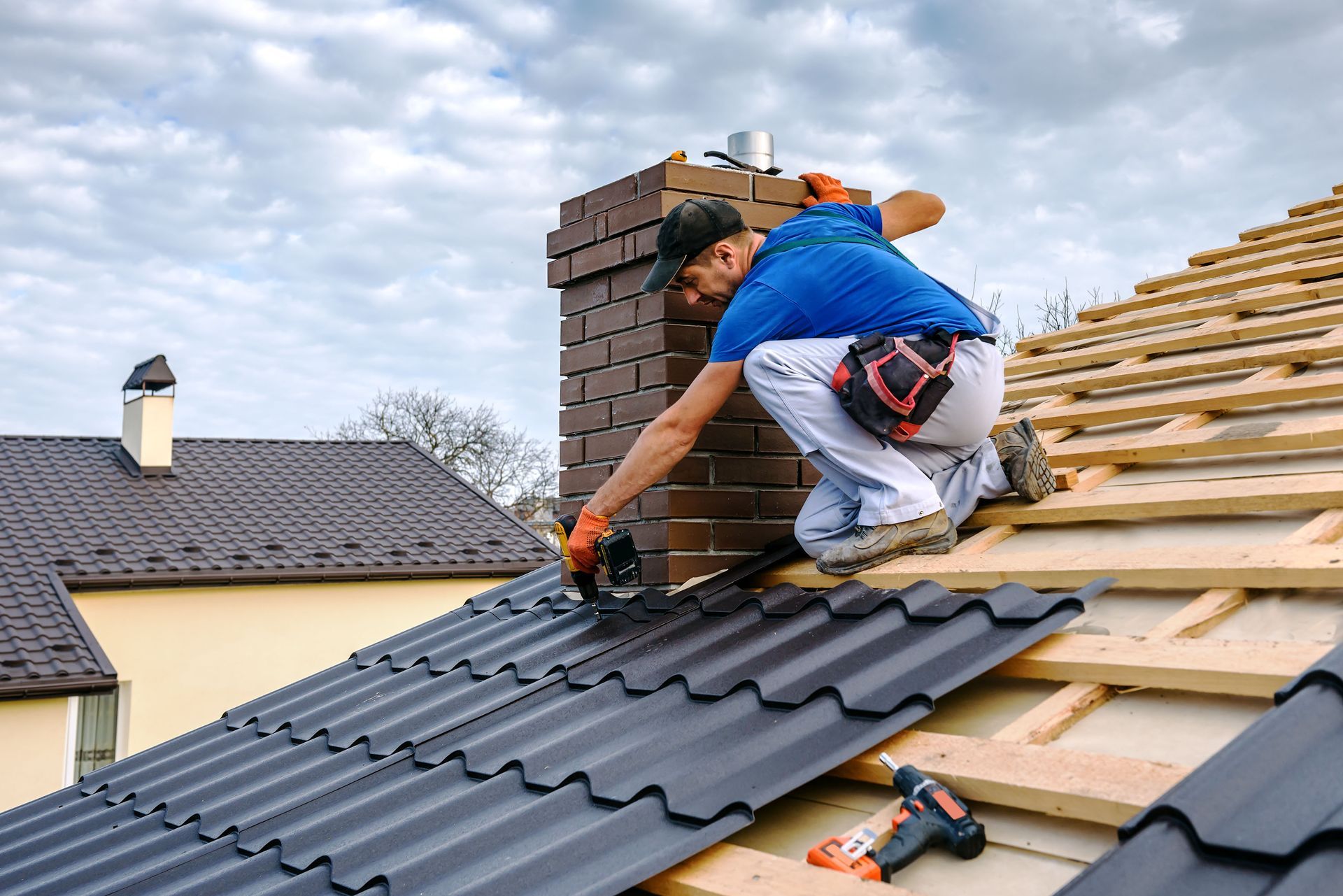
Standing-seam steel and aluminum panels demonstrate remarkable resilience when exposed to torrential rainstorms, hurricane-force wind gusts, and freezing mountain conditions. Interlocking vertical seams conceal mechanical fasteners underneath, preventing precipitation from finding subtle paths inside during driving gales. According to the Insurance Institute for Business and Home Safety, properly installed roofs are one of the most important factors in helping homes withstand severe weather damage. Aside from periodic inspections of perimeter neoprene gaskets and clearing drainage valleys of twigs, steel systems require very little labor. Their non-porous composition inherently resists fungal growth, allowing water to shed rapidly into exterior gutter networks without causing decay.
Examining Clay and Concrete Tile Resilience
Earthy terracotta and cured concrete tiles offer exceptional thermal mass that regulates interior climate conditions across sun-drenched southern regions. These heavy masonry units resist fire, rot, and boring insect colonies, enduring for generations when supported by adequately reinforced rafters. Because tiles remain brittle beneath direct physical pressure, routine roof walking must be undertaken cautiously to avoid snapping individual curved ridges. Routine maintenance mainly involves clearing trapped foliage from underneath overlapping tiles, washing away biological moss stains, and replacing fractured perimeter units. Checking underlayment status remains essential, as secondary water-shedding barriers beneath the tiles usually degrade before the masonry elements ever show fatigue.
Investigating Natural Slate for Century-Long Endurance
Quarried metamorphic rock represents one of the longest-lasting residential protective coverings available, frequently enduring over one entire century. Dense stone shingles resist moisture absorption completely, eliminating risks of freeze cracking, rot, mold colonization, or sudden ignition during wildfire emergencies. The substantial physical heft of stone requires robust rafter systems that resist gravitational load stresses across multiple decades. Upkeep for slate involves gentle visual inspections to spot flaked segments, cracked pieces, or corroded copper fasteners holding individual stones down. Slate professionals should handle repairs, as stepping improperly atop ancient stone surfaces can cause brittle cleavage planes to split unexpectedly underfoot.
Inspecting Wood Shakes and Shingles for Longevity
Cedar and redwood shingles contribute timeless rustic charm while delivering natural insulation against harsh seasonal temperature swings. Natural cedar oils provide built-in defenses against decay and insect activity, though biological materials require consistent moisture management. Without regular application of protective preservative stains and biocidal washes, persistent dampness allows velvety moss, lichen colonies, and wood rot to take hold. Shaded northern slopes demand frequent sweeping to prevent fallen damp leaves from trapping moisture against fragile wooden grains. Homeowners who select wood roofing must regularly trim overhanging arbor limbs, maintain wide gutter runs, and replace cupped or split wooden shakes.
Exploring Synthetic Composites for Low-Care Protection
Modern polymer formulations replicate the rustic texture of wood shakes or elegant slate without the burdensome weight or fragility. Engineered polymers, recycled rubbers, and mineral-filled resin formulas exhibit remarkable impact resistance, earning top scores against heavy hail bombardment. Because these engineered tiles absorb negligible ambient moisture, they easily resist freeze-thaw fracturing, mildew proliferation, and wind-driven delamination across decades. Maintenance obligations are remarkably low, rarely extending beyond casual rinsing with garden hoses to remove surface soil, pollen, or fallen foliage. Choosing synthetic composite roofing allows property owners to enjoy historic architectural beauty while virtually eliminating the recurring preservation burdens common to classic organic materials.
Assessing Flat Roof Membranes for Moisture Management
Low-slope architectural layouts require impermeable continuous coverings like thermoplastic polyolefin, ethylene propylene diene monomer, or modified bitumen rather than overlapping shingles. Because low-pitch planes lack steep gravitational drops, continuous sheets with heat-welded seams prevent pooling standing water from penetrating the substrate. Ultraviolet exposure and thermal shifts test these synthetic membranes, making routine inspections of parapet flashings and scuppers vital after major storms. Technicians must regularly clear roof drains of collected debris to prevent sitting water from stressing structural support joists. Applying reflective elastomeric coatings preserves seam integrity and shields synthetic rubber compounds from premature sun damage over time.
Monitoring Biological Growth on Diverse Coverings
Airborne fungal spores, green algae, and sprawling bryophyte colonies quickly settle upon porous exterior coverings when shaded by dense trees. While concrete, tile, and asphalt surfaces frequently host cyanobacteria streaks, these dark stains accelerate heat absorption and degrade binding chemicals. Scraping away organic debris requires gentle chemical treatments rather than high-pressure power washing, which strips protective mineral finishes from delicate components. Trimming back encroaching tree branches allows warming sunlight and breeze currents to dry surfaces before vegetative mats can compromise underlying shingles. Regular cleaning schedules stop biological organisms from lifting edges, thereby preserving proper roofing performance and maintaining exterior aesthetic appeal.
Balancing Ventilation Needs With Material Longevity
Adequate airflow underneath exterior sheathing directly governs how long various external materials survive changing seasonal cycles through proper temperature regulation. Poorly ventilated attics trap excess summer heat, baking asphalt coatings from below and accelerating brittleness throughout shingles and seams. During winter periods, escaping indoor humidity condenses along sub-roof sheathing, rotting wooden rafters, and fostering pervasive mold blooms inside structural framing. Installing balanced soffit intake grilles and ridge exhaust vents establishes a steady thermal chimney that preserves structural components. Coordinating internal ventilation design with chosen external coverings optimizes residential roofing lifespans and decreases frequent repair requirements across all seasonal shifts.
Comparing Impact Resistance Across Common Options
Hailstorms, windborne tree limbs, and falling debris test the sheer physical strength of every exterior residential home installation. High-tensile metal panels and Class 4 impact-rated polymer composites readily resist flying objects that would shatter clay or slate. Traditional asphalt shingles can bruise under heavy hail strikes, dislodging essential protective aggregate grains and leaving base fibers naked to rain. Conducting post-storm inspections identifies localized micro-fractures, crushed corners, or loosened flashings before hidden moisture migration rots structural wood decks. Selecting impact-certified materials drastically reduces post-storm restoration expenses and spares homeowners from having to replace entire damaged coverings following violent localized squalls.
Selecting an exterior building material requires balancing architectural preferences against geographical climate realities, material life expectancies, and ongoing upkeep schedules. While economical asphalt options require regular inspections and occasional maintenance, resilient metal, slate, and composite selections demand less frequent hands-on intervention. Understanding how rainfall, sunlight, thermal fluctuations, and biological growths impact distinct compositions allows homeowners to make informed property investments. Implementing suitable attic airflow systems, clearing fallen debris, and conducting prompt seasonal inspections prevents minor defects from compromising indoor comfort. Thoughtful residential roofing investments paired with conscientious care preserve home equity and provide enduring exterior defense for decades to come.
Are you seeking a professional roofing team in Middlebury, VT, and the surrounding areas? Friend Construction is your go-to for your roofing needs! Contact us today to request an estimate or to schedule your next appointment.
Share On: