Asphalt Shingles vs. Metal Roofing: Which Is Right for You?
The decision between asphalt shingles and metal roofing often presents homeowners with a significant challenge due to the varied benefits and drawbacks of each material. This article, backed by insights from a professional roofing company, delves into the key aspects of both roofing options, aiming to equip homeowners with the necessary knowledge to make an informed choice. While both types of roofing serve fundamental functions, they differ vastly in terms of cost, aesthetics, durability, environmental impact, and maintenance requirements. By examining these factors, we can offer a comprehensive guide to aid in selecting the most suitable roofing material for your specific needs. Ultimately, this decision can substantially affect not just the durability and protection of your home but also its resale value and curb appeal.
Cost Comparison
Installation Expenses
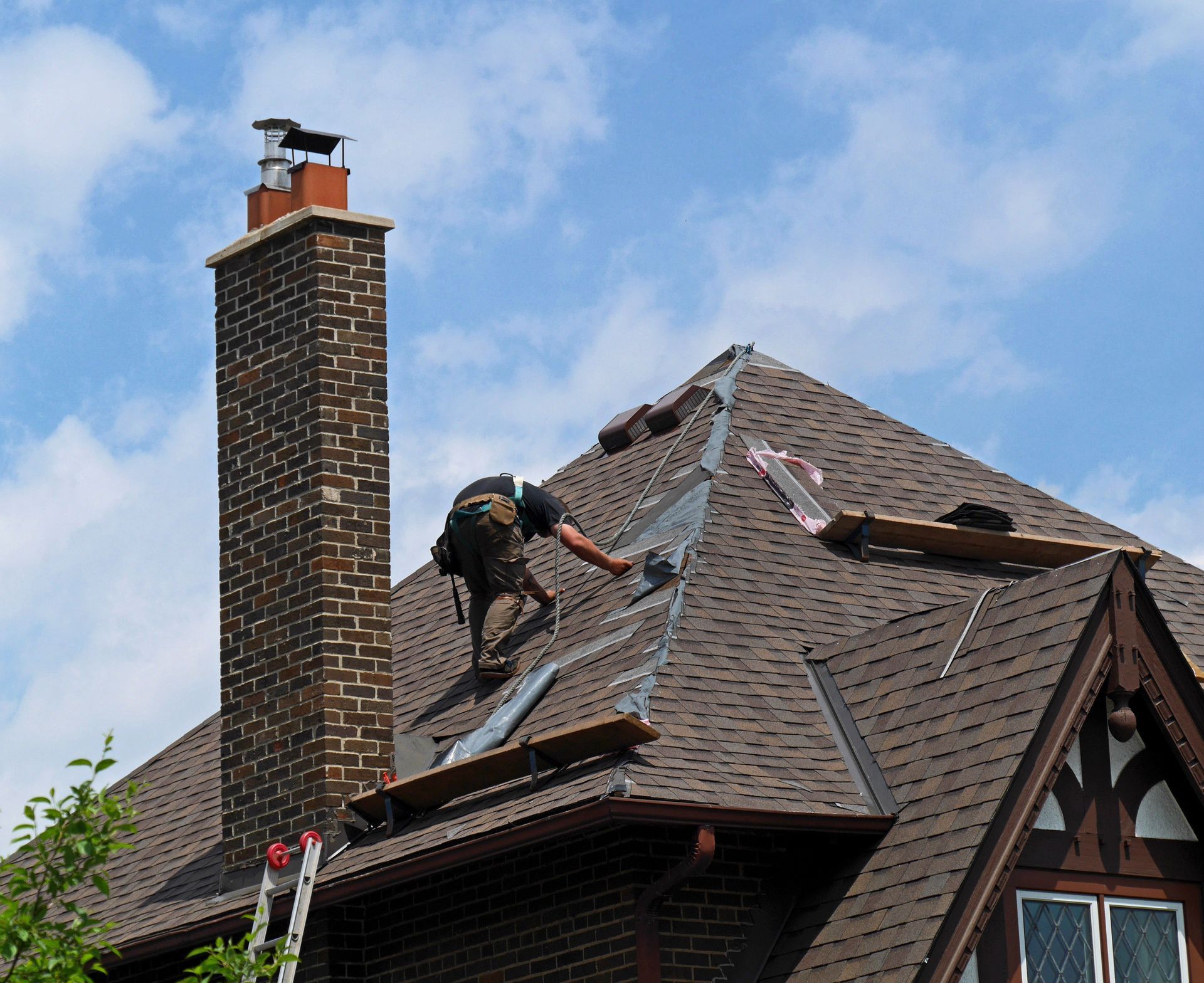
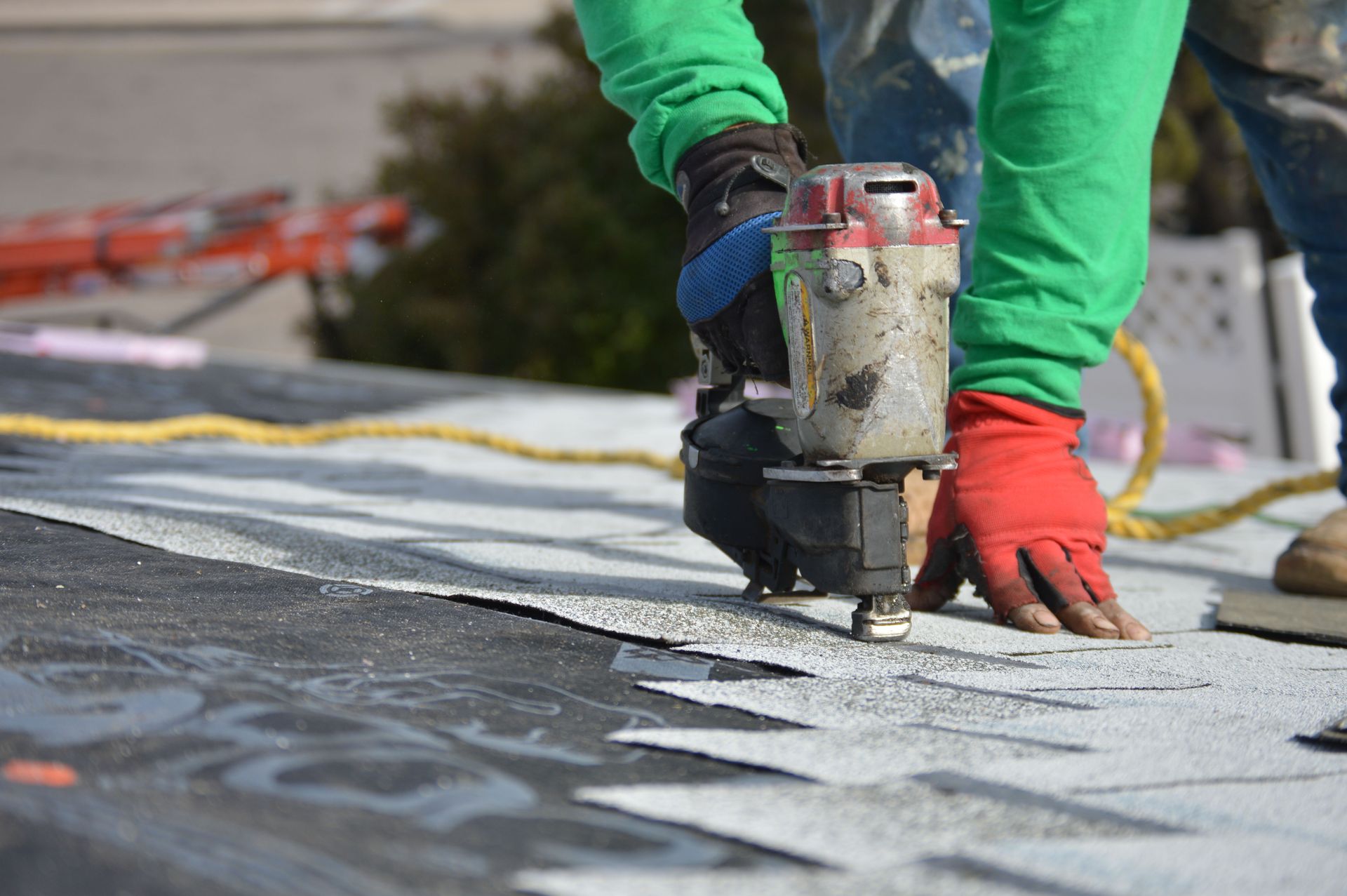
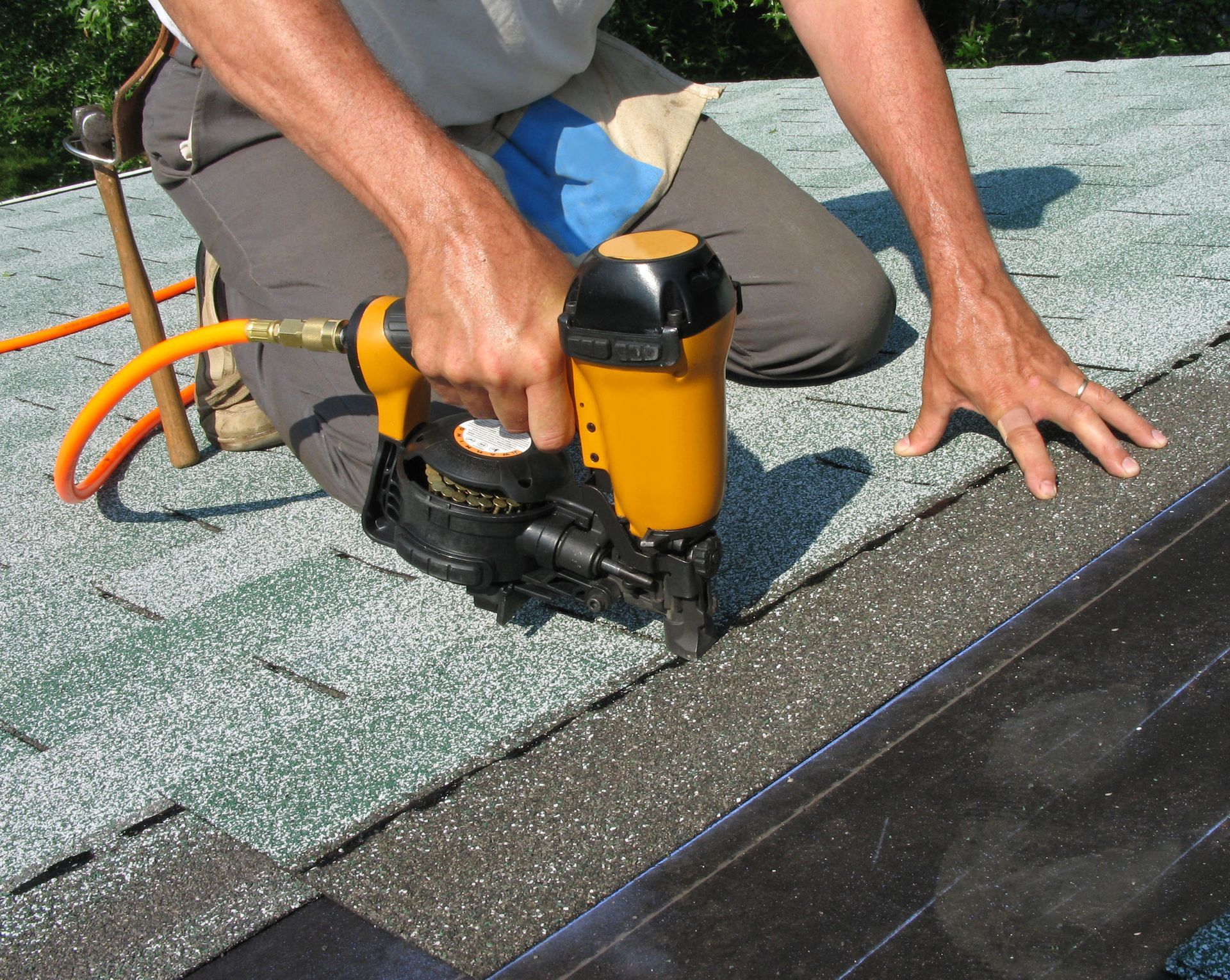
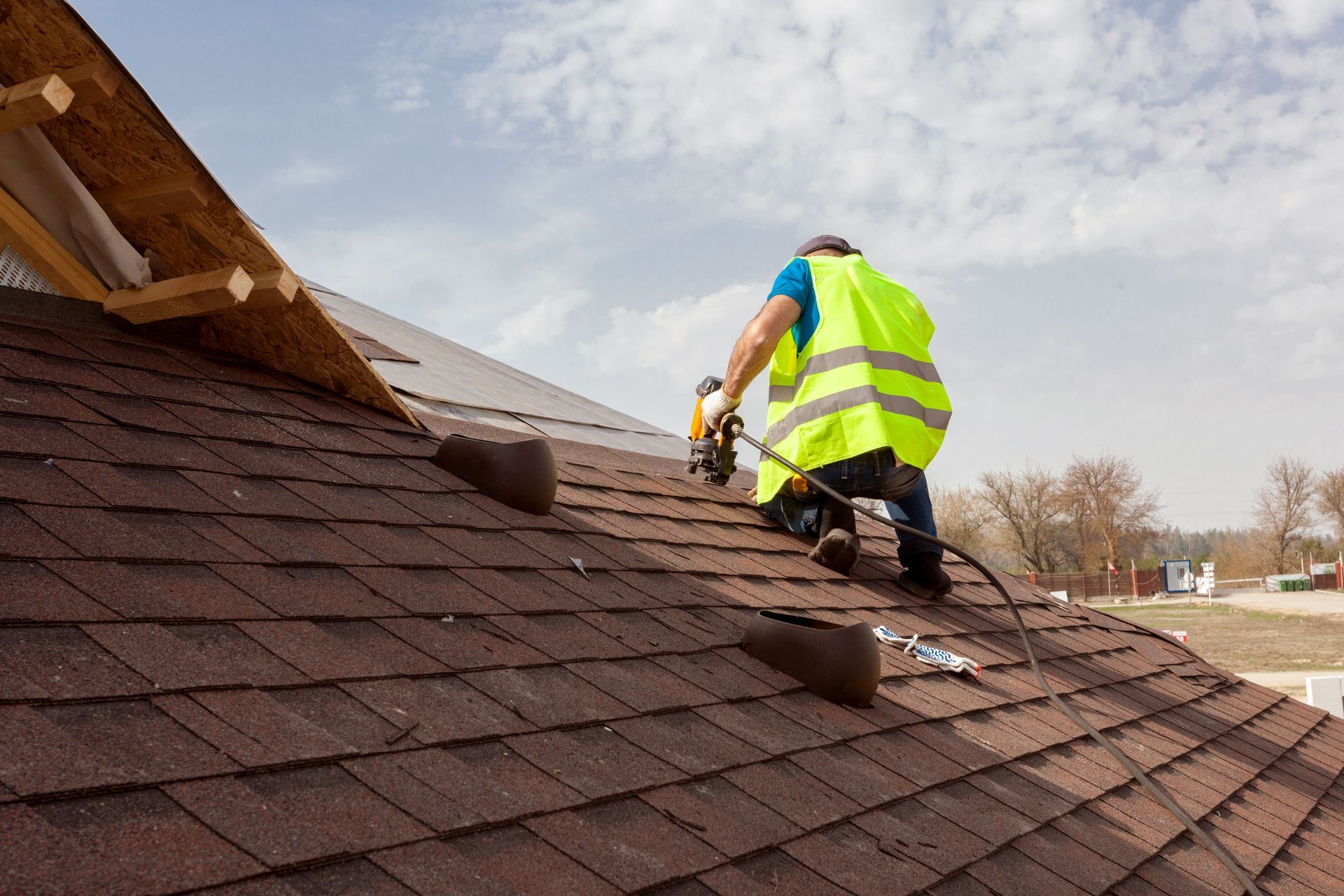
Installation costs form another critical component of the overall expense calculation. The simplicity and familiarity of asphalt shingle installations make them faster and cheaper in terms of labor costs. Metal roofing, however, requires specialized skills from an experienced roofing company, which can drive installation costs up. The added expense reflects the complexity of metal roof installations, necessitating skilled labor and often extended labor timeframes.
Maintenance Costs
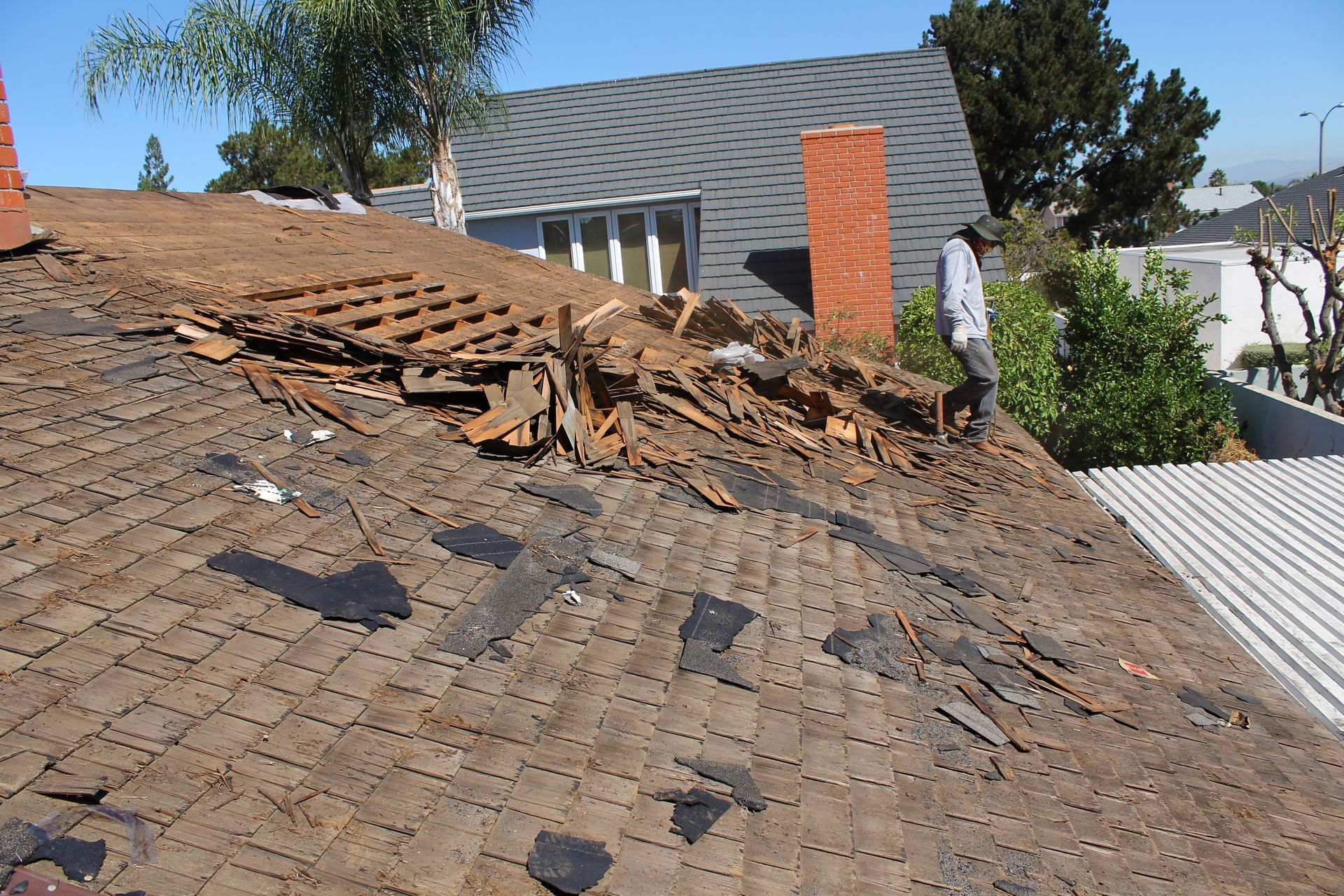
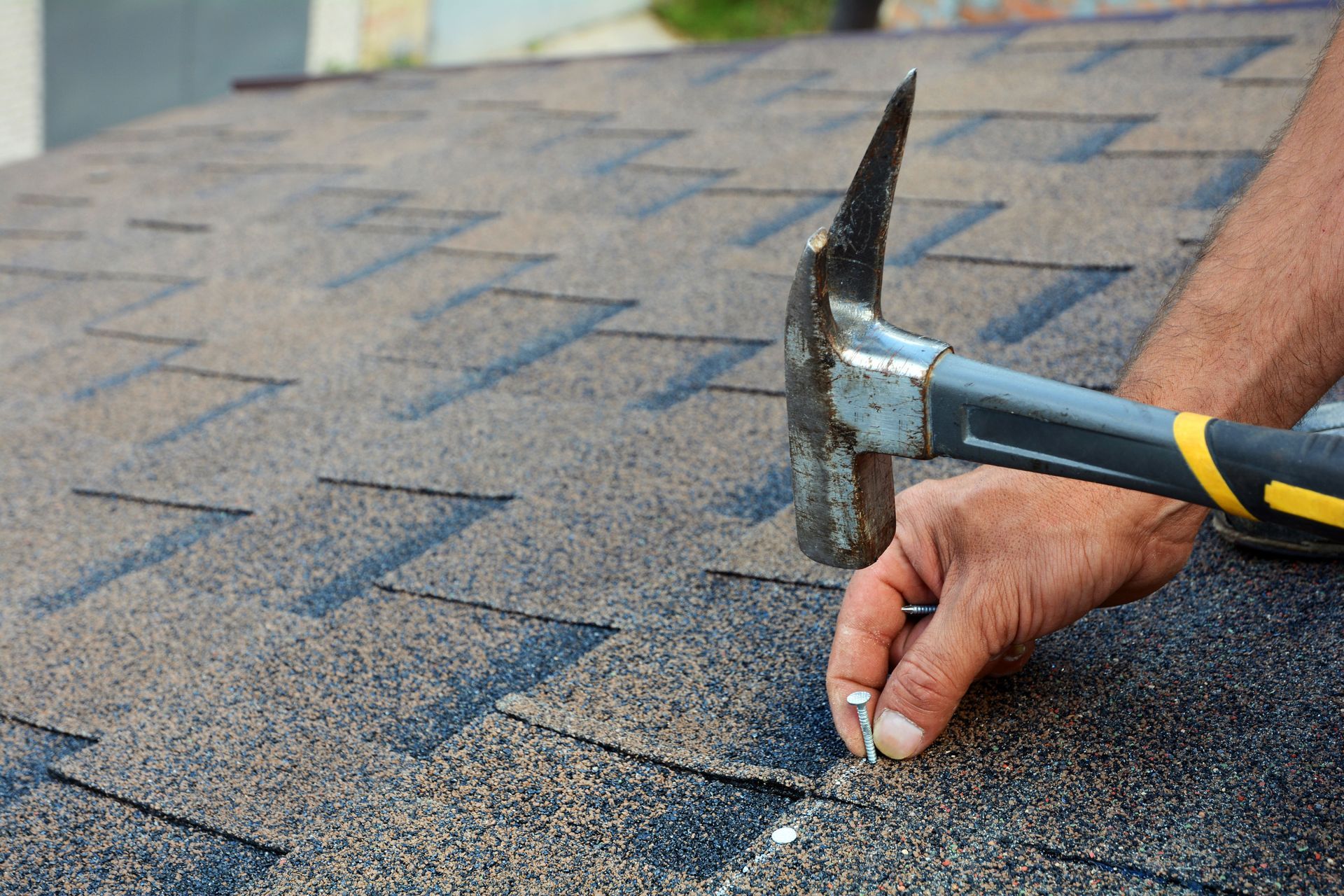
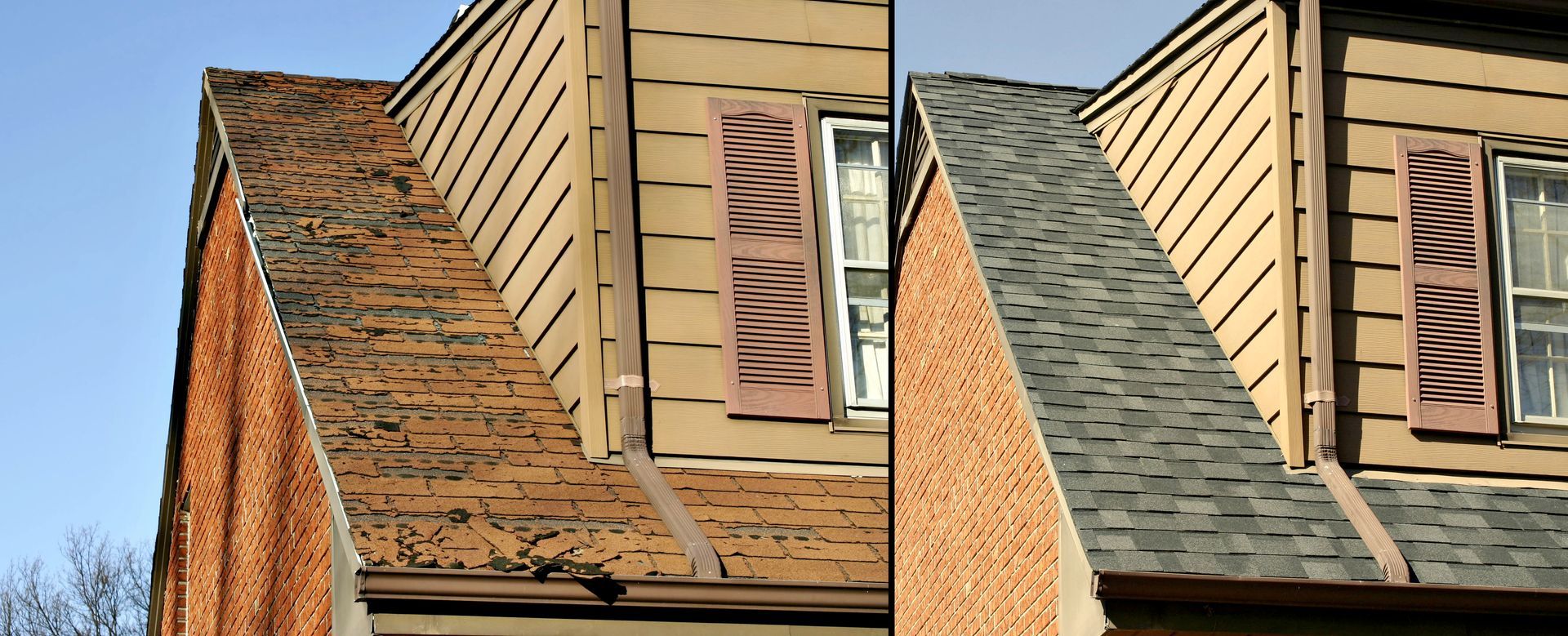
In terms of maintenance, asphalt shingles and metal roofs present distinct considerations. Asphalt shingles, while generally low-maintenance, may require more frequent inspections and repairs from a local roofing company to address issues like curling, cracking, or algae growth. Maintenance costs can accumulate over the years, potentially negating some of the initial savings. Metal roofing, known for its durability, typically incurs lower maintenance costs, needing only periodic checks for rust or loose panels. Ultimately, the low maintenance demand of metal roofs over decades can make them more cost-effective despite the higher initial and installation expenses.
Energy Efficiency Savings
Energy efficiency is increasingly important, and roofing can significantly influence a home's energy consumption. Metal roofs are lauded for their reflective properties, which can reduce cooling costs by up to 25% in warm climates, thus providing considerable long-term savings. In contrast, asphalt shingles absorb more heat, potentially increasing air conditioning usage, although some energy-efficient shingles with reflective granules do exist. As energy costs rise, the efficiency of metal roofing becomes an attractive facet for eco-conscious and cost-savvy homeowners. Coupled with recent innovations utilized by any modern roofing company, both roofing options continue to evolve in energy efficiency.
Lifespan and Long-term Investment
The lifespan and return on investment of roofing materials are vital for long-term value assessment. We've seen that asphalt shingles typically last between 15 and 30 years, depending on the installation quality provided by the chosen roofing company and environmental conditions. In contrast, metal roofs boast impressive durability and longevity, often exceeding 50 years with proper care, in our experience. According to This Old House, new construction is trending away from asphalt shingles and towards metal roofing, suggesting a shift in preference toward long-term roof investments. Consequently, the upfront cost of metal roofing may be offset by a longer lifespan and less frequent roof replacements, appealing to those considering the lifetime cost of their roofing investment.
Aesthetic Appeal
Variety of Styles and Colors
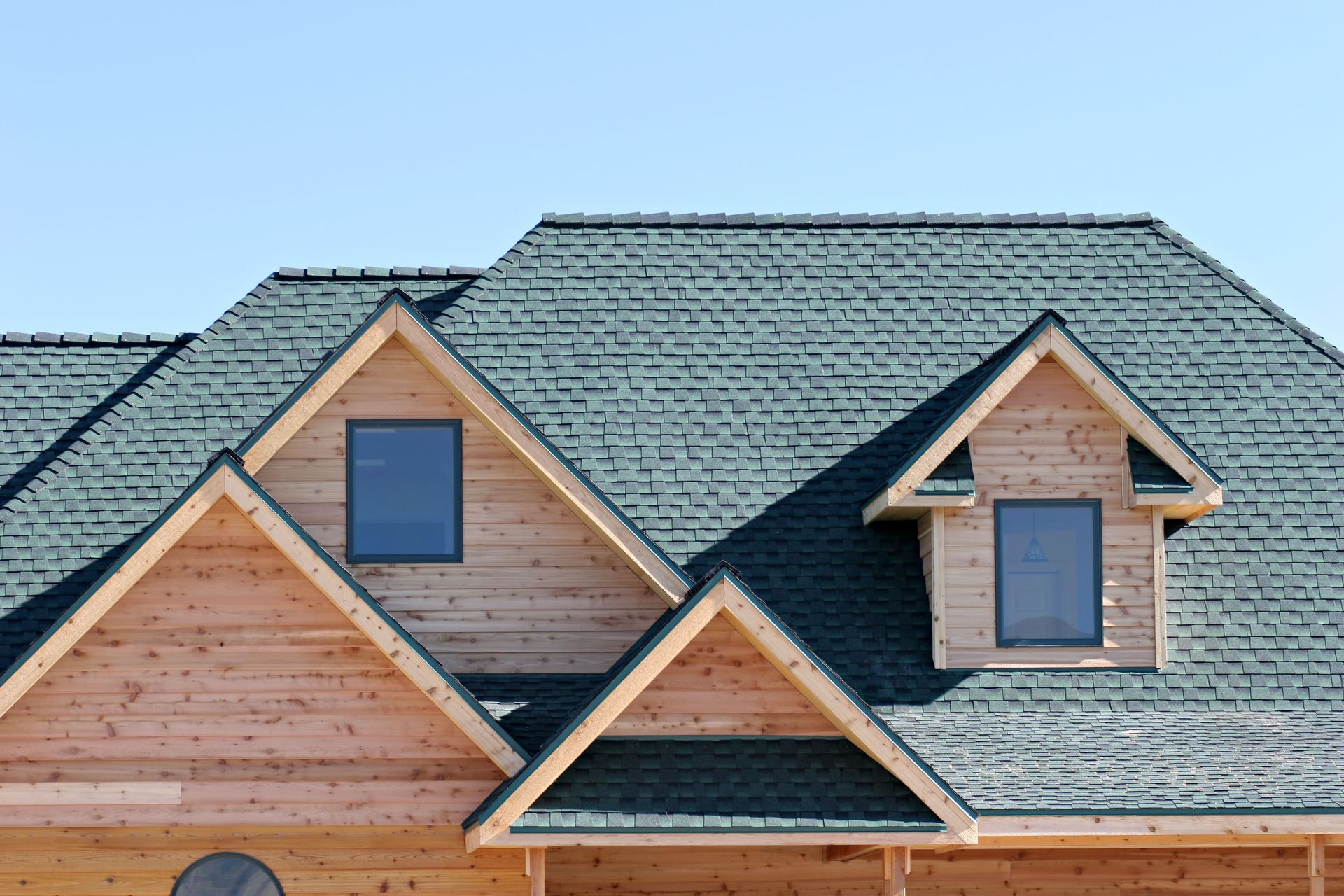
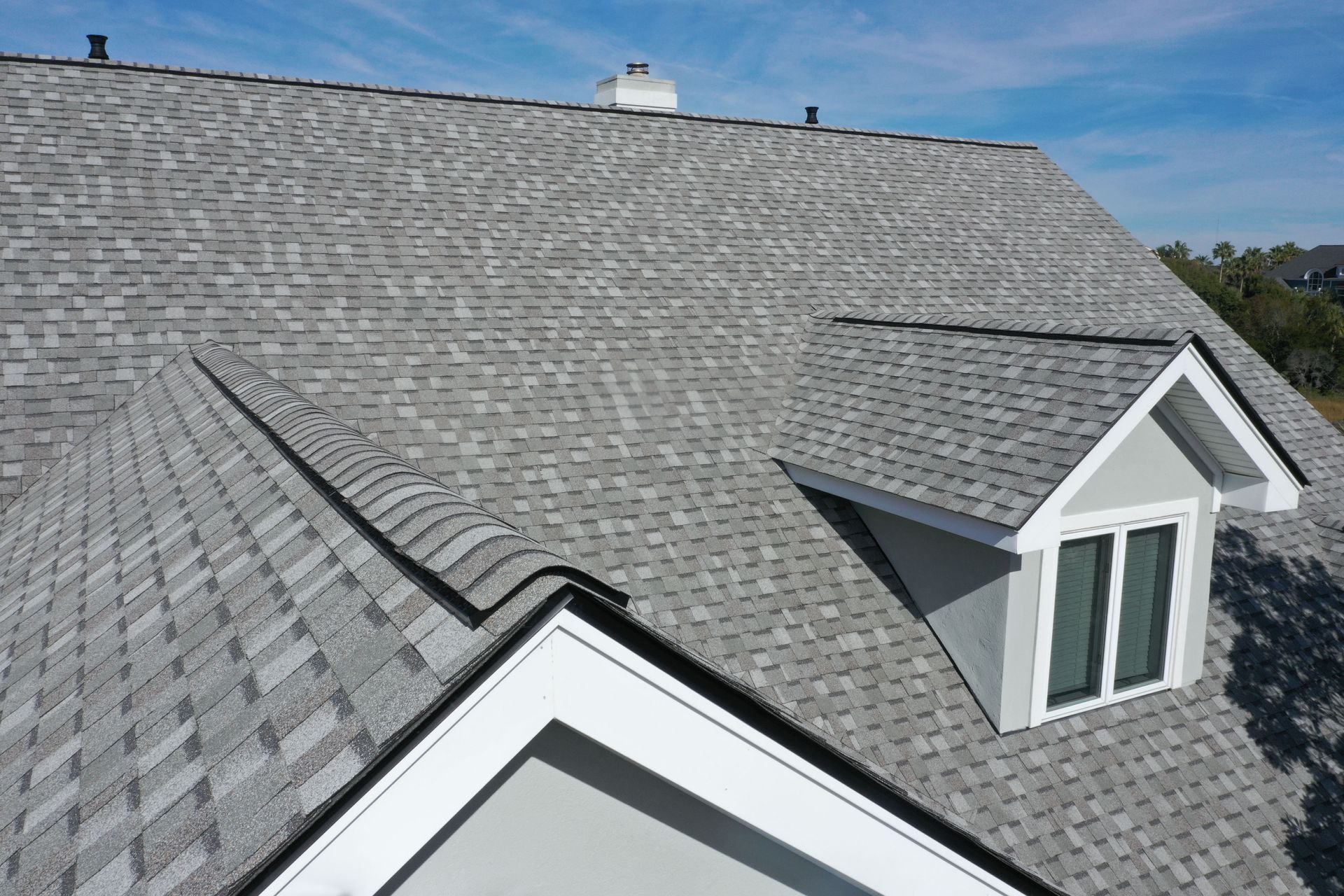
Asphalt shingles have traditionally led the market in style and color variety. Their diverse aesthetic options allow homeowners to match roofing with any architectural style easily. However, metal roofing has made significant strides in this area, offering options that mimic tiles, slate, or even wood shakes while providing a modern look. The diversity in metal roofing styles is complemented by a wide range of colors, allowing homeowners to select a style that enhances their home's curb appeal. As trends evolve, both roofing types continue to expand their stylistic options to meet consumer demands.
Architectural Theme Matching
Matching a roof to a home's architectural style is crucial in maintaining its overall aesthetic harmony. Asphalt shingles have long been favored for traditional homes, seamlessly integrating with colonial, Victorian, and Cape Cod designs. Metal roofing, with its sleek lines and modern appeal, suits contemporary and minimalist homes, though its versatility means a skilled roofing company can adapt it to complement a wide variety of styles. As more homeowners pursue eclectic designs, both roofing types have adapted to accommodate new architectural tastes. Ultimately, the choice depends on personal style preferences and the desired integration with the home's architectural character.
Texture and Finish
Texture and finish contribute significantly to the roofing's final appearance and feel. Asphalt shingles offer a textured surface with granules that create depth, providing a classic, traditional look. This texture can add visual interest to simpler architectural designs. Metal roofing presents a smoother, more streamlined finish that can exude a contemporary charm or mimic textured roofing materials for added character. With advances in manufacturing, both asphalt and metal roofing are now available in a range of finishes to cater to different aesthetic preferences.
Impact on Curb Appeal
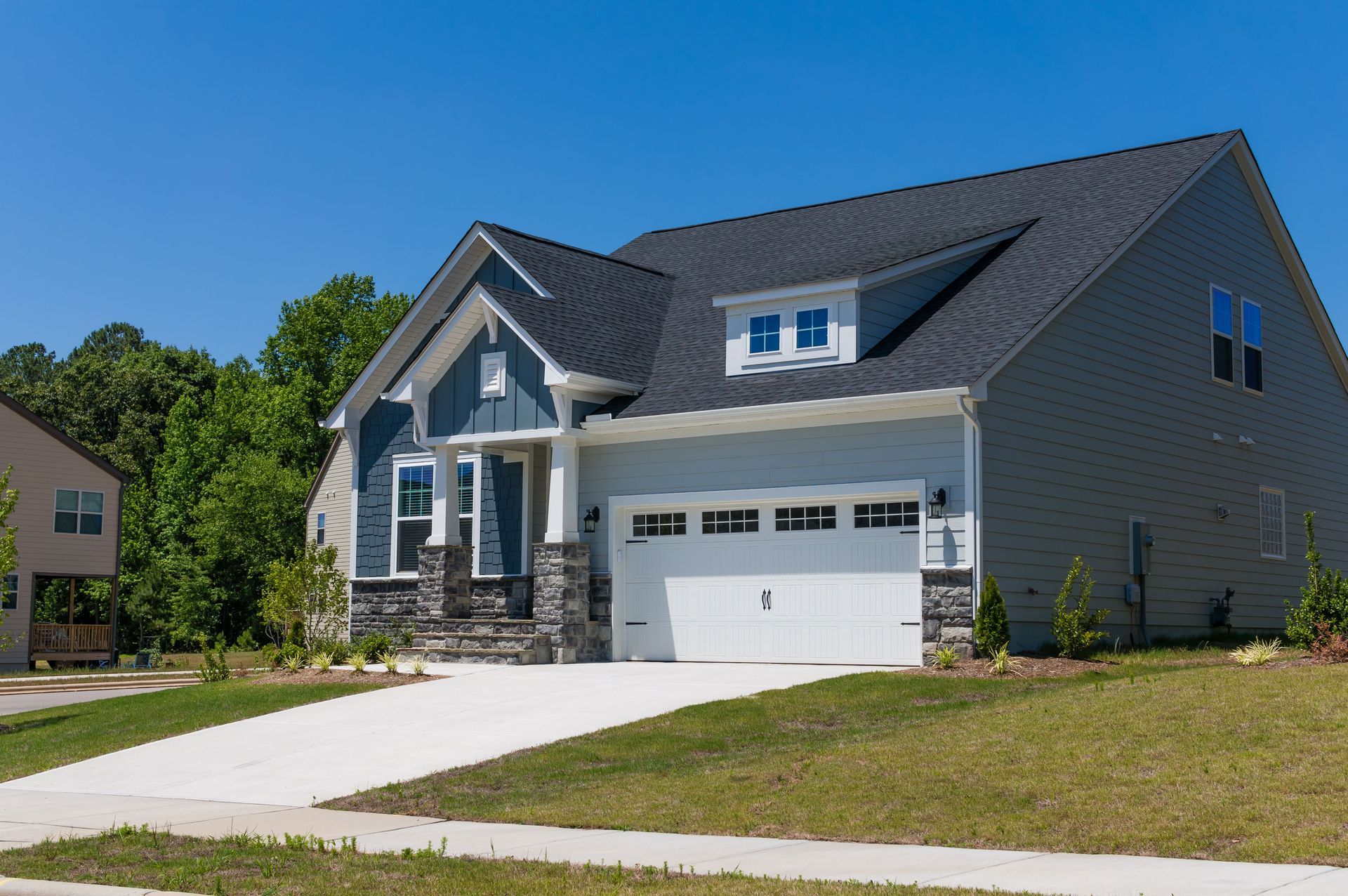
A roof's contribution to curb appeal can dramatically influence home value and ease of sale. Asphalt shingles, in their various styles and colors, offer a traditional charm that many buyers consistently appreciate. Metal roofs, offering a modern aesthetic with longevity, can significantly enhance curb appeal, particularly for newer or high-end homes. According to market studies, curb appeal can increase a home's perceived value by 7-10%, making roofing an essential part of first impressions. Therefore, the choice between aesthetics and enhancing curb appeal must weigh significantly in the decision-making process.
Current Housing Trends
Current housing trends reveal a shift towards sustainable and durable materials, impacting roofing choices. With increasing emphasis on green building practices, metal roofing has gained popularity due to its recyclability and energy efficiency. Innovative designs are being introduced in both asphalt and metal roofing to reflect contemporary architectural trends. According to This Old House, metal roofing has risen in popularity for new construction, as opposed to asphalt shingles, reflecting changing consumer preferences. These trends highlight the importance of making roof choices that align not only with modern aesthetics but also with the evolving standards of sustainability and longevity.
Durability and Performance
Weather Resistance
Weather resistance is a crucial factor when choosing roofing materials, as it directly affects the home's protection. Asphalt shingles generally provide adequate protection against moderate weather conditions, though extreme weather can cause damage over time. In contrast, metal roofs are renowned for their resilience against severe weather, including heavy rain, snow, and ice. Metal's slick surface allows snow to slide off easily, reducing roof stress during winter months. As climate change leads to more unpredictable weather patterns, choosing a roof with superior weather resistance is increasingly significant.
Wind and Hail Resistance
Wind and hail can cause significant damage to roofing materials, making their resistance a top priority for homeowners in prone areas. Asphalt shingles can withstand moderate wind speeds, but severe storms may dislodge shingles, leading to potential leaks that require an emergency call to a roofing company. Metal roofs boast superior wind resistance, often rated to withstand winds up to 140 mph, making them ideal for hurricane-prone regions. Similarly, metal's hard surface provides excellent protection from hail impact, minimizing the risk of damage. As extreme weather events become more common, resilient roofing materials like metal offer crucial peace of mind.
Fire Resistance
Fire resistance is a vital consideration, especially in areas prone to wildfires. Asphalt shingles typically fall into Class A fire ratings when properly installed, indicating good fire resistance due to their fiberglass base. However, metal roofing, inherently non-combustible, also achieves Class A ratings, offering superior peace of mind. Their ability to resist ignition from embers and burning debris can significantly impact home safety during a fire. This advantage is increasingly important as wildfires become more frequent and severe, making a strong case for choosing metal roofing in high-risk areas.
If your primary objective is to secure affordable protection for the next decade, asphalt shingles offer an unmatched return on a modest budget. However, if you're looking to secure a permanent "forever roof" that cuts monthly cooling bills and entirely eliminates the cycle of repetitive roof replacements, investing in metal roofing is the clear, future-proof winner. Contact Friend Construction, your trusted local roofing company, today for all your roofing needs.
Share On: