How a Roofing Expert Improves Energy Efficiency in Your Home
Energy efficiency has become a top priority for homeowners who want to create comfortable living spaces while managing long-term costs. While many people focus on windows, insulation, and appliances, the roof plays a critical role in how a home regulates temperature and energy use. The condition, materials, and overall design of a roof can significantly impact how much heat enters or escapes a home throughout the year. This is where the expertise of a roofing expert becomes invaluable.
A well-maintained and properly designed roof helps stabilize indoor temperatures, reduces strain on heating and cooling systems, and contributes to a more sustainable home environment. When a roof is neglected or outdated, it can lead to inefficiencies that affect both comfort and utility expenses. Working with a professional ensures that every component of your roofing system supports optimal energy performance.
Understanding how roofing improvements contribute to efficiency allows homeowners to make smarter decisions about maintenance, upgrades, and long-term planning. From selecting the right materials to ensuring proper ventilation, each step plays a role in creating a balanced and energy-conscious home. The following sections explore how thoughtful roofing strategies can transform your home’s efficiency and overall performance.
Improving Roof Insulation
Insulation is one of the most important factors in maintaining a consistent indoor temperature. A properly insulated roof acts as a barrier that prevents heat from escaping during cooler periods and blocks excessive heat from entering during warmer conditions. Without adequate insulation, homes can experience temperature fluctuations that make heating and cooling systems work harder than necessary.
A roofing system that includes high-quality insulation contributes to a more stable indoor environment. This reduces the need for constant adjustments to thermostats and helps maintain comfort throughout the home. Proper insulation also minimizes drafts and cold spots, which can be especially noticeable in upper levels or attic spaces.
When insulation is installed or upgraded correctly, it supports long-term energy efficiency by reducing heat transfer. This creates a balanced environment where indoor temperatures remain steady regardless of outdoor conditions. A knowledgeable professional can assess existing insulation and recommend improvements that align with the specific needs of the home.
Enhancing Roof Ventilation
Ventilation is another key component of an energy-efficient roofing system. Without proper airflow, heat and moisture can become trapped in the attic, leading to increased indoor temperatures and potential structural issues. A well-ventilated roof allows air to circulate freely, preventing heat buildup and maintaining a healthier environment.
Good ventilation works hand in hand with insulation to regulate temperature. While insulation prevents heat transfer, ventilation ensures that excess heat does not accumulate in enclosed spaces. This combination creates a balanced system that supports efficient heating and cooling throughout the home.
Effective ventilation also helps protect roofing materials from premature wear. Reducing moisture buildup, it prevents issues such as mold, mildew, and deterioration. This not only improves energy efficiency but also extends the lifespan of the roofing system, making it a valuable investment for homeowners.
Selecting Energy-Efficient Roofing Materials
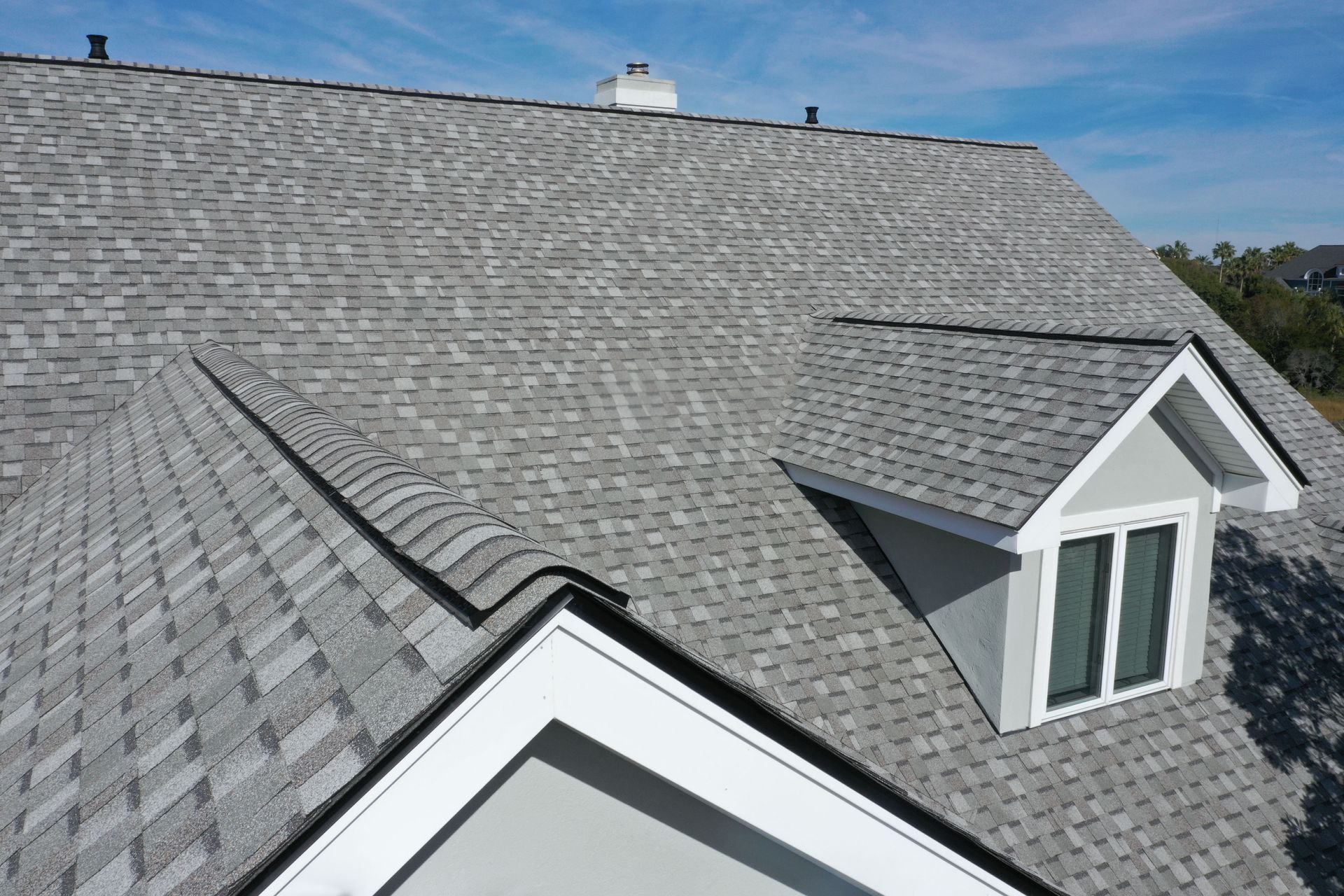
The materials used in a roofing system have a significant impact on energy performance. Some materials are designed to reflect sunlight, while others absorb and retain heat. Choosing the right option can make a noticeable difference in how a home responds to changing weather conditions.
Reflective roofing materials help reduce heat absorption, keeping indoor spaces cooler and more comfortable. This is especially beneficial in areas with strong sunlight, where excessive heat can quickly raise indoor temperatures. By minimizing heat gain, these materials reduce the workload on cooling systems and improve overall efficiency.
According to This Old House, aluminum and steel roofing can last for 30–50 years or more. In addition to their durability, these materials are known for their reflective properties, which contribute to improved energy performance. Selecting high-quality materials ensures that the roof not only lasts longer but also supports a more efficient home environment.
Sealing Roof Leaks and Gaps
Even small gaps or leaks in a roof can have a significant impact on energy efficiency. These openings allow air to escape or enter the home, disrupting temperature control and forcing heating and cooling systems to work harder. Over time, this can lead to increased energy consumption and reduced comfort.
Sealing leaks and addressing gaps is an essential step in maintaining an efficient roofing system. By eliminating points of air infiltration, homeowners can create a more controlled indoor environment. This helps maintain consistent temperatures and reduces the strain on HVAC systems.
Regular inspections play a crucial role in identifying and addressing these issues early. Catching small problems before they become larger ones ensures that the roof continues to perform effectively. A well-sealed roof supports both energy efficiency and long-term structural integrity.
Maintaining Roof Condition
Routine maintenance is key to preserving the efficiency of a roofing system. Over time, exposure to weather and environmental factors can cause wear and tear that affects performance. Regular upkeep helps ensure that the roof remains in optimal condition and continues to support energy efficiency.
Maintenance tasks may include cleaning debris, inspecting shingles, and checking for signs of damage. These steps help prevent issues that could compromise the roof’s ability to regulate temperature. A well-maintained roof provides consistent protection and contributes to a comfortable indoor environment.
Working with a roofing expert ensures that maintenance is thorough and effective. Professional evaluations can identify potential problems that may not be immediately visible, allowing homeowners to address them before they impact efficiency. This proactive approach supports long-term performance and reliability.
Upgrading Roofing Systems for Efficiency
As technology and materials continue to evolve, upgrading a roofing system can provide significant benefits for energy efficiency. Modern roofing solutions are designed with performance in mind, offering improved insulation, ventilation, and durability. These upgrades can transform how a home manages energy use.
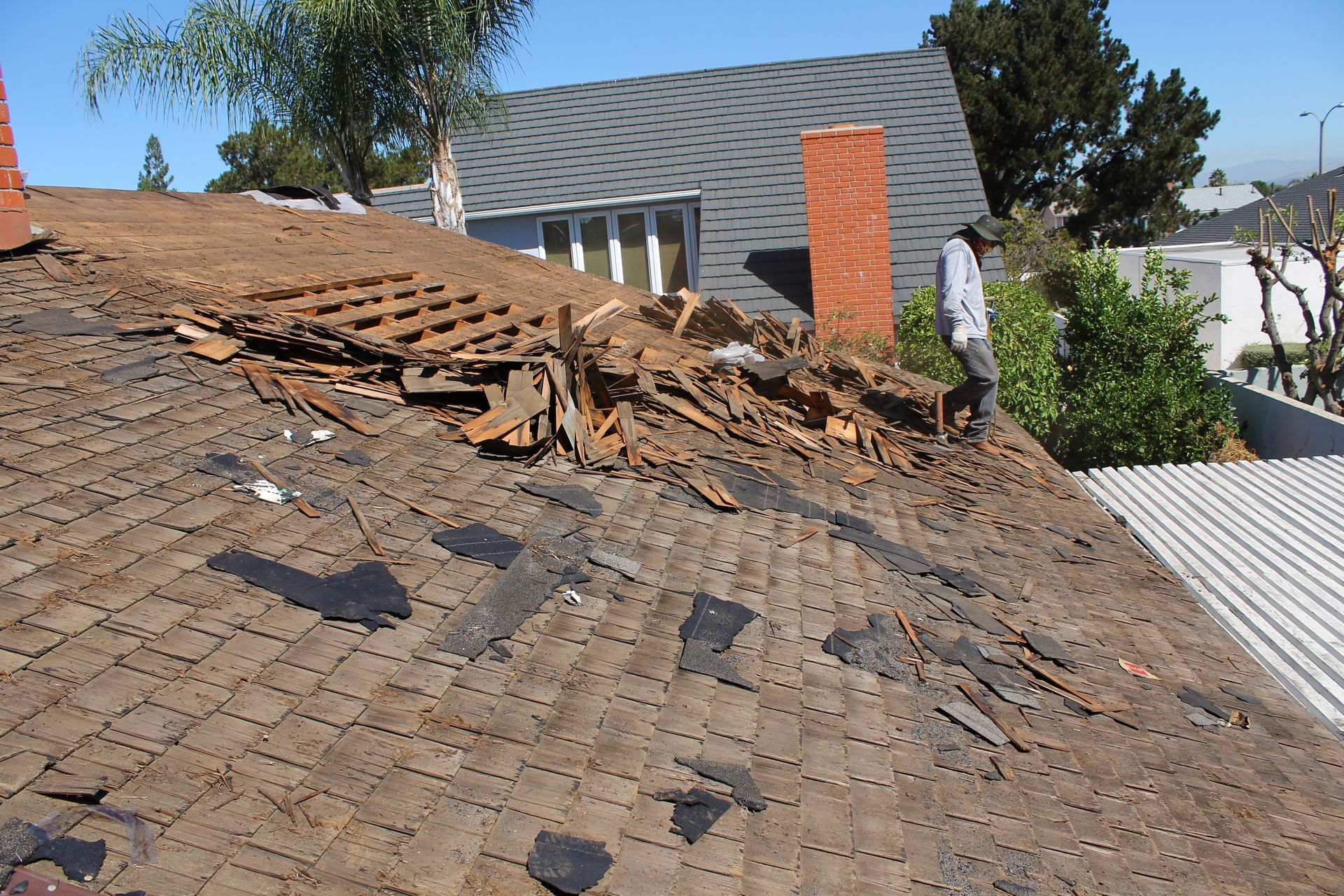
Replacing outdated materials with newer options can enhance the overall efficiency of the home. Advanced roofing systems are often designed to reflect heat, improve airflow, and reduce energy consumption. This creates a more sustainable environment that supports both comfort and cost savings.
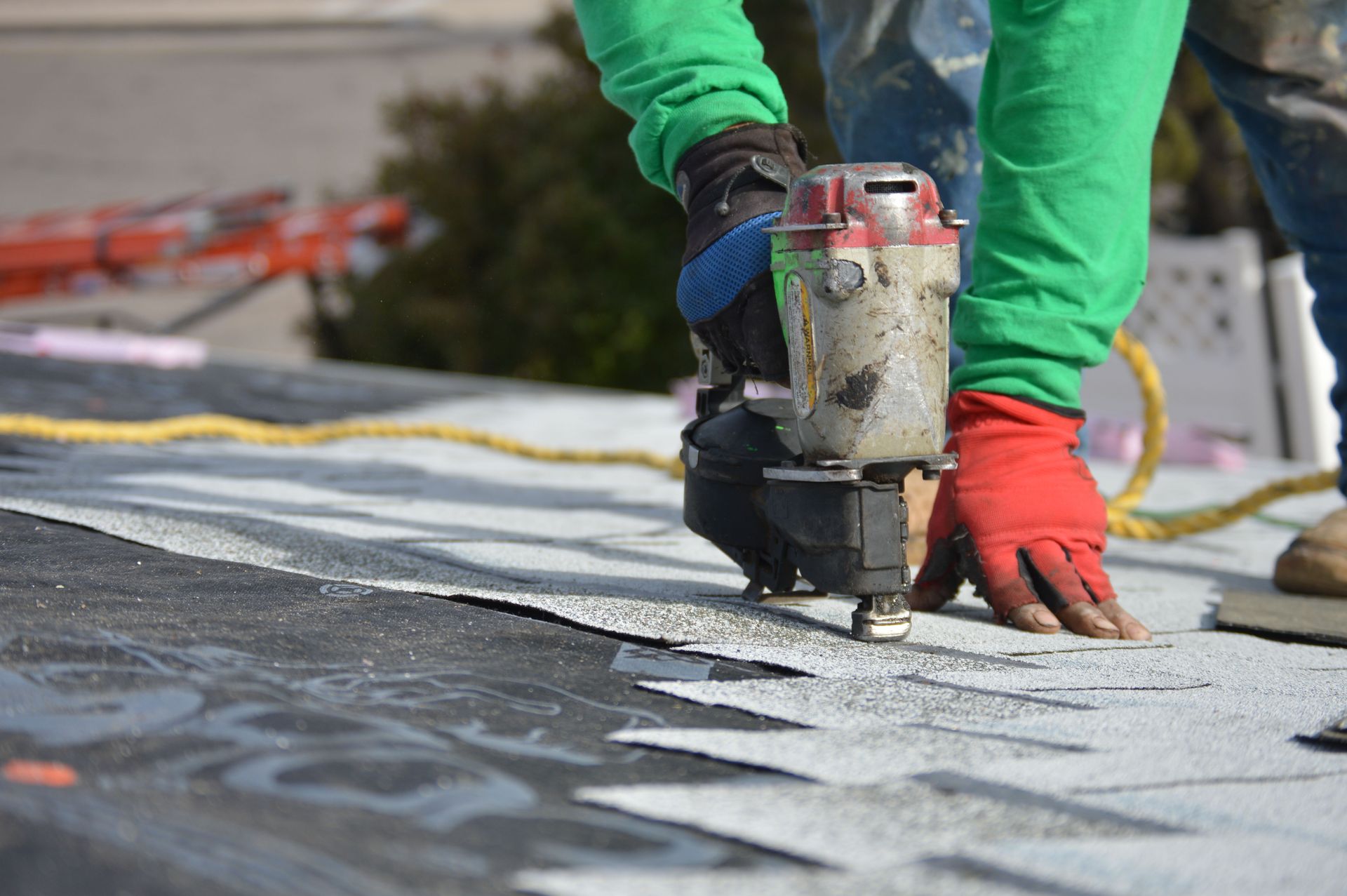
A roofing expert can guide homeowners through the process of selecting and implementing upgrades that align with their goals. By evaluating the current condition of the roof and recommending appropriate solutions, professionals help ensure that improvements deliver lasting results. Investing in upgrades is a strategic way to enhance both efficiency and home value.
A well-designed and properly maintained roof plays a vital role in improving energy efficiency. From insulation and ventilation to material selection and regular maintenance, each aspect contributes to a more comfortable and sustainable home. By addressing these elements, homeowners can reduce energy consumption and create a balanced indoor environment.
The involvement of a roofing expert ensures that every detail is handled with precision and care. Their knowledge and experience help identify opportunities for improvement and guide homeowners toward effective solutions. Whether through repairs, maintenance, or upgrades, professional support makes a significant difference in overall performance.
Taking a proactive approach to roofing care not only enhances efficiency but also extends the lifespan of the system. By investing in quality materials and regular upkeep, homeowners can enjoy long-term benefits that go beyond immediate comfort. A strong, efficient roof is an essential component of any well-functioning home.
When it comes to improving your home’s energy efficiency, having the right team by your side makes all the difference. At Friend Construction, we take pride in helping homeowners create stronger, more efficient roofing systems that support long-term comfort and performance. By working together, we can evaluate your current roof, identify opportunities for improvement, and implement solutions that align with your goals. Let us help you build a more efficient and reliable home with roofing solutions you can trust.
Share On: