
Your Essential Guide to Residential Roofing
Residential roofing is a vital component of a home's overall structure and safety, offering protection from environmental factors while contributing to the aesthetic appeal. It's critical for homeowners to consider the long-term implications of roofing decisions, as these can significantly impact financial and environmental factors. This comprehensive guide aims to provide insightful information for homeowners planning to install, repair, or replace their residential roofs, ensuring their decisions are well-informed and sustainable.
Types of Residential Roofing Materials
Asphalt Shingles
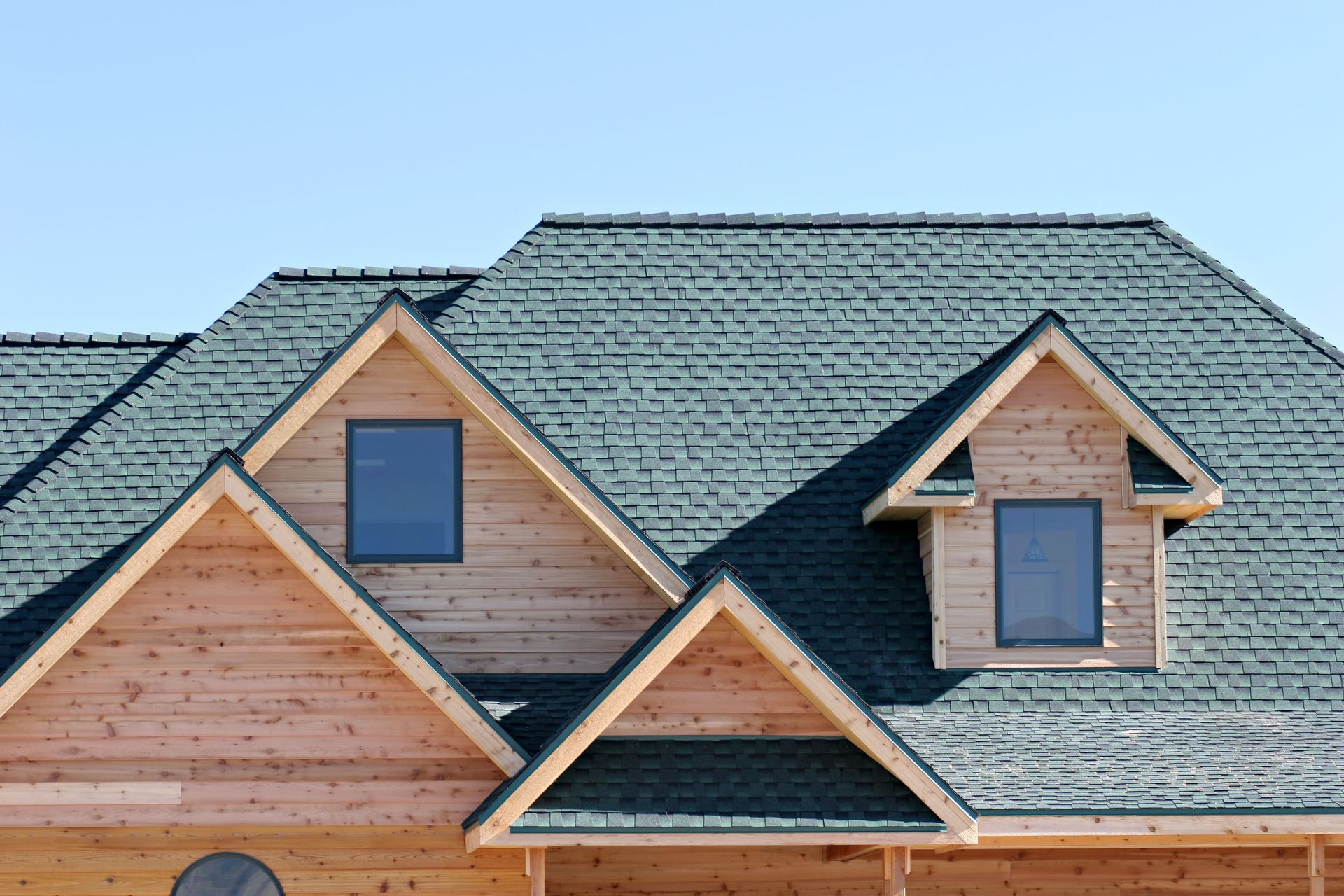
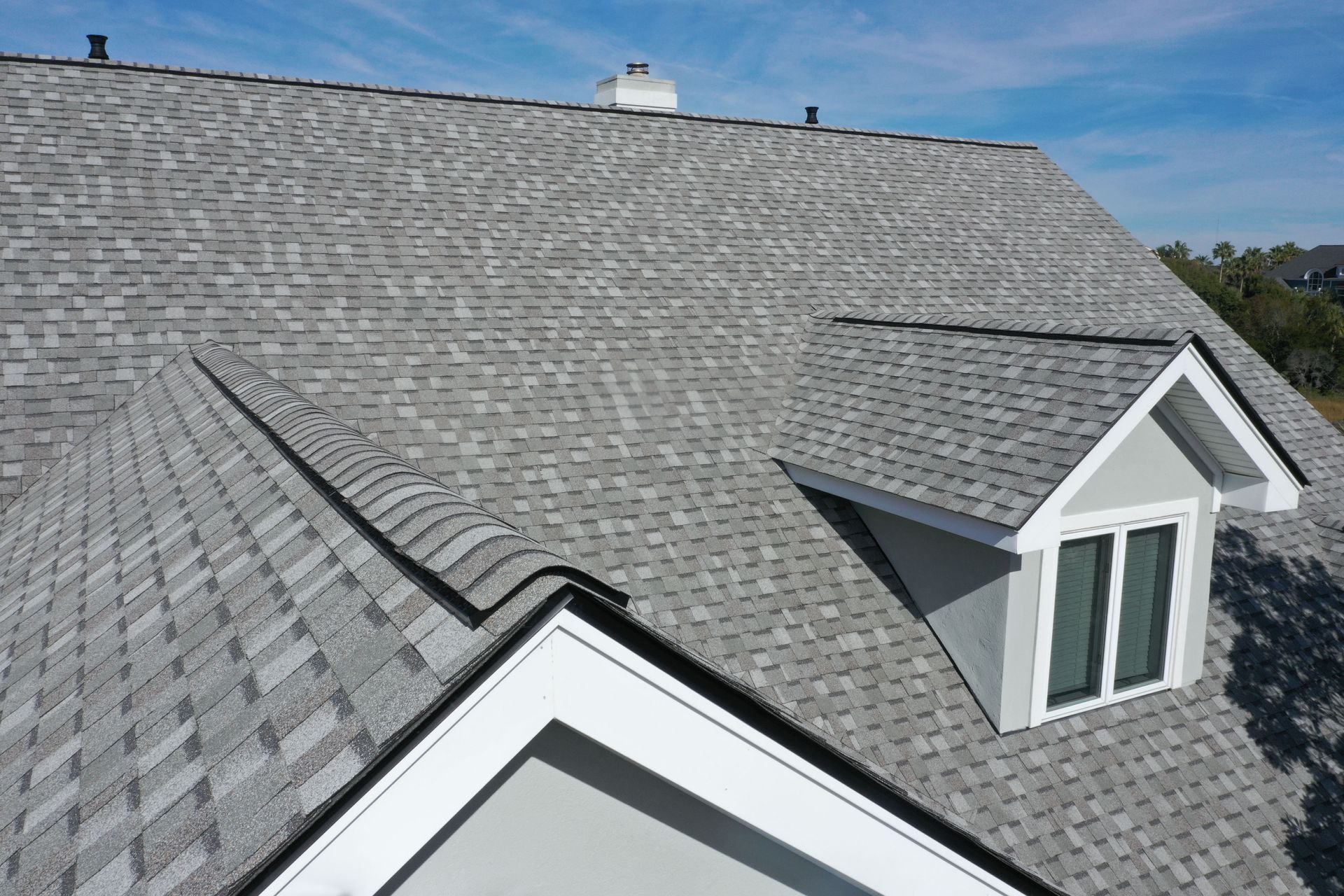
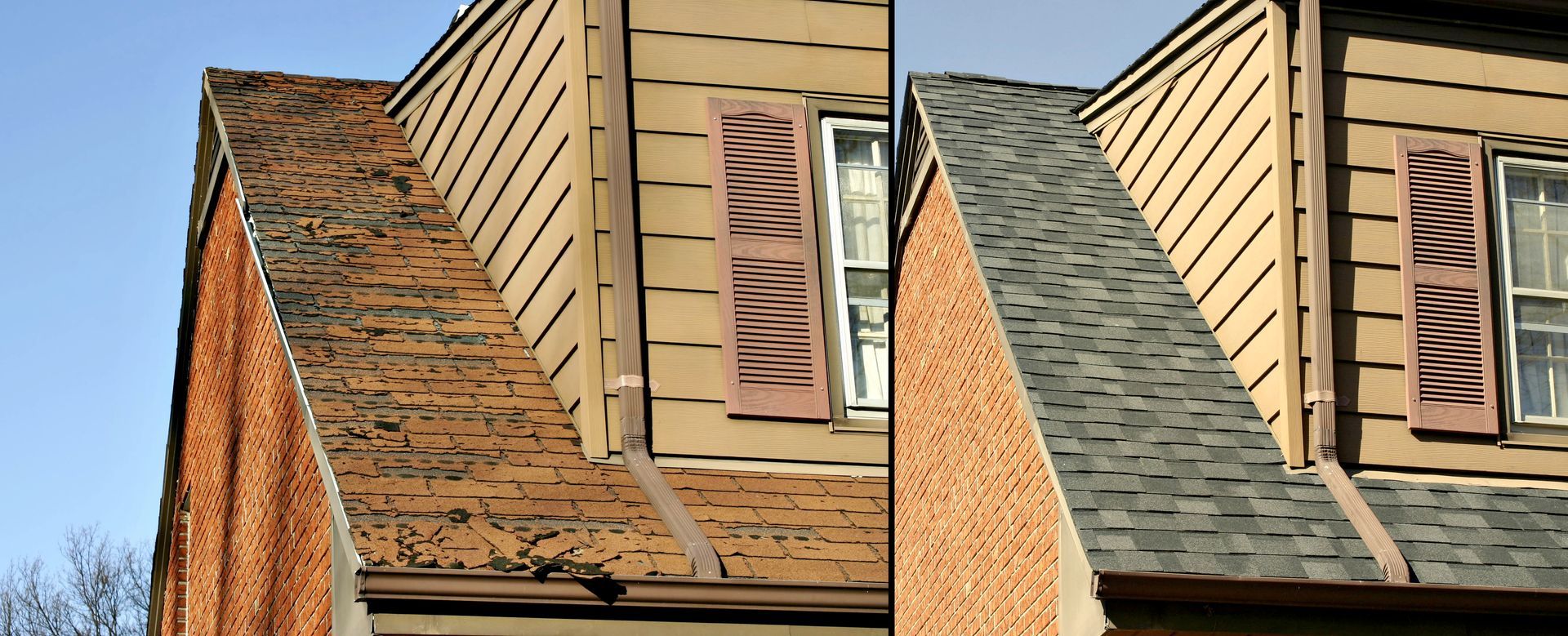
According to Business Insider, over five million new roofs are installed on U.S. homes each year, and a large portion of them are asphalt shingle roofs. Asphalt shingles are a popular choice for residential roofing because of their affordability and ease of installation. They come in a variety of colors and styles, providing homeowners with numerous options to suit different aesthetic preferences. Despite their cost-effectiveness, asphalt shingles have a relatively shorter lifespan compared to other materials, typically lasting 20 to 30 years. Regular maintenance is essential to maximize their longevity and performance. Additionally, asphalt shingles provide decent fire resistance and weatherproofing capabilities.
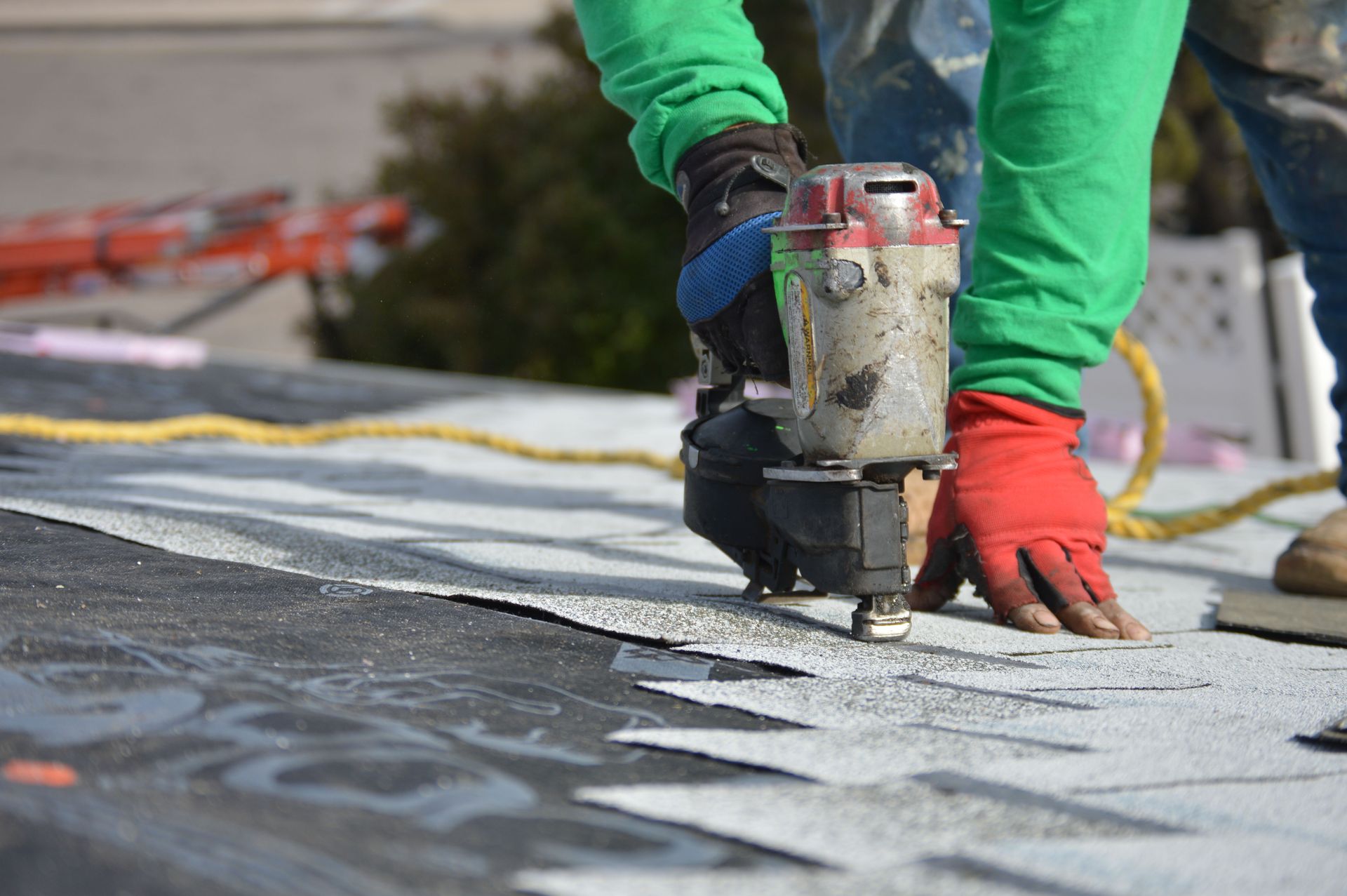
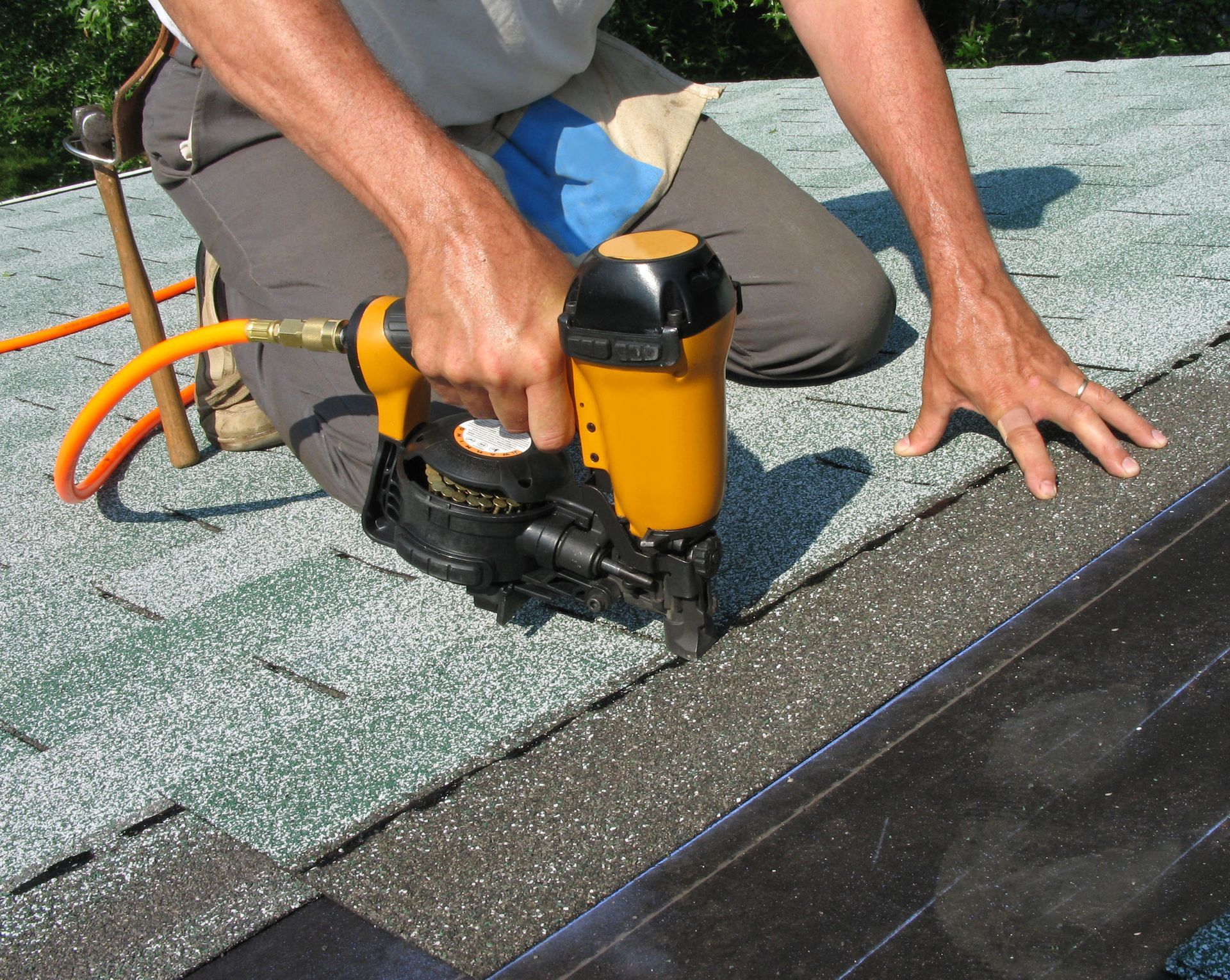
Asphalt shingles are the most affordable roofing option, but their installation and maintenance require professional expertise. Homeowners should ensure that installation is carried out safely and correctly to minimize risks and maximize the lifespan of the roofing material. Additionally, the proper ventilation system should be installed to prevent moisture buildup and extend the life of asphalt shingles.
Metal Roofing
Metal roofing has gained popularity due to its durability and energy efficiency. It is resistant to severe weather conditions, such as heavy snow and high winds, and is also non-combustible. Metal roofs can last between 40 and 70 years with proper maintenance, making them a long-term investment. They are also eco-friendly, as they are often made from recycled materials and can be recycled again at the end of their lifespan. Despite the higher initial cost, the longevity and resilience of metal roofing can provide cost savings over time.
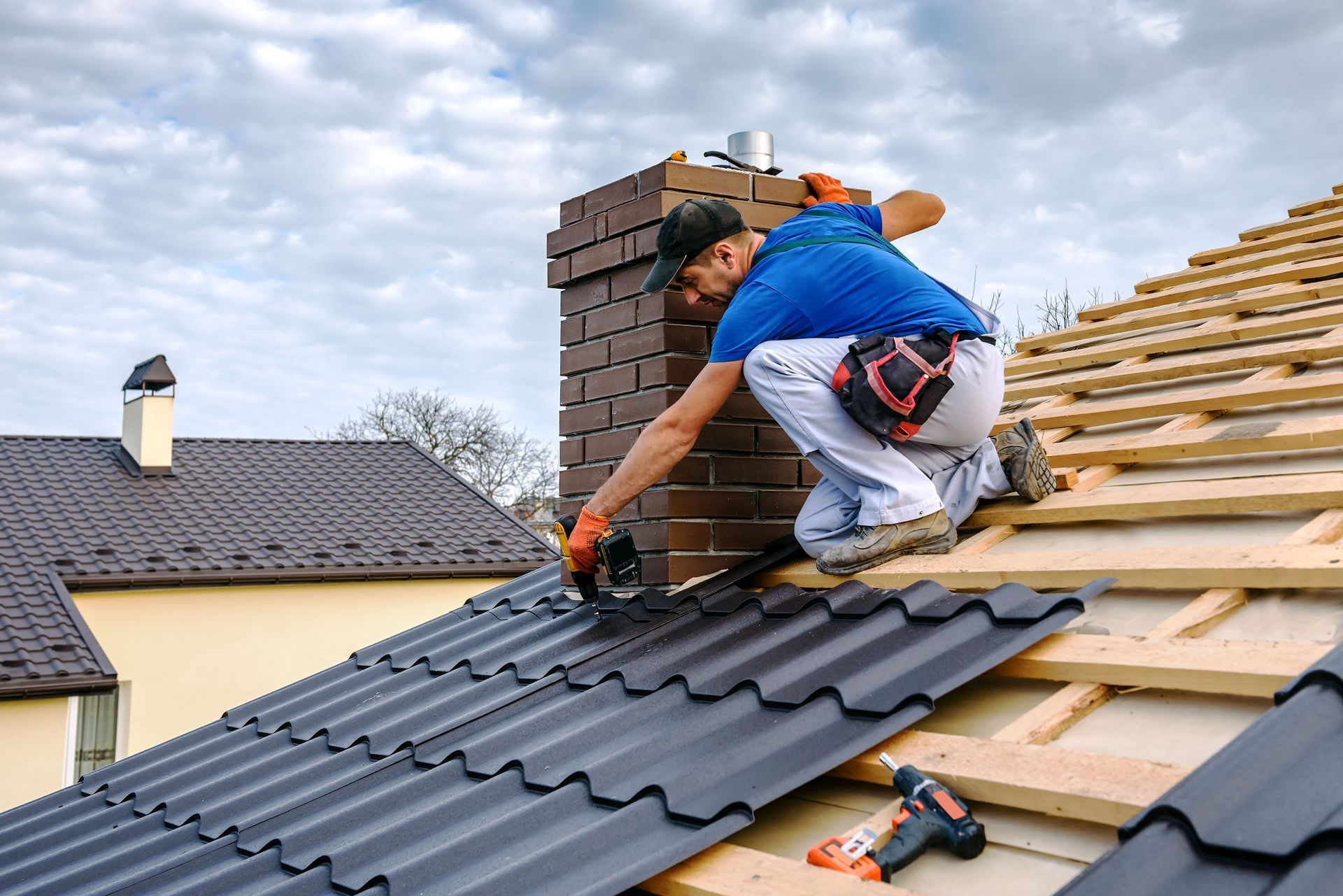
Metal roofs require professional installation due to their unique panels and fasteners. Issues with scratches and dents can arise, although these typically do not affect the roof's functionality. For sustainability-conscious homeowners, metal roofs offer one of the most environmentally friendly options. Given their long lifespan and ability to be recycled, they minimize waste and resource consumption. The versatility and performance of metal roofing make it a wise selection for those looking to future-proof their homes.
Factors to Consider When Choosing a Roofing Material
Climate Considerations
When selecting a roofing material, climate is a critical consideration, as it directly influences roofing performance, longevity, and maintenance needs. Homeowners in areas with harsh winters should prioritize materials that can withstand heavy snow loads and extreme temperatures, such as metal roofing. In contrast, regions with frequent rain or humidity may require materials resistant to moisture and rot, like asphalt shingles. Additionally, hot climates benefit from reflective materials like metal, which can reduce cooling costs by reflecting sunlight. Understanding local climate factors helps ensure that the chosen material provides adequate protection and energy efficiency.
Wind resistance is another crucial factor, particularly in hurricane-prone areas, where durable materials such as metal or architectural shingles may be necessary. Conversely, regions with a high risk of fire may benefit from materials with superior fire resistance. Professionals can provide guidance on the suitability of various materials for specific climate conditions, aiding homeowners in making informed decisions. It's also important to account for climate change and evolving weather patterns, which may impact long-term roofing performance and maintenance needs. Investing in the right roofing material can prevent future damage and lower overall costs.
Budget and Cost Effectiveness
Budget plays a significant role in determining the choice of roofing material. While initial costs are a consideration, it is crucial to evaluate the long-term value and potential savings of various roofing systems. Metal roofing, for example, may have a higher upfront cost but offers durability, longevity, and energy efficiency that can lead to cost savings over time. Homeowners must balance immediate budget constraints with the future expenses associated with maintenance, repairs, and replacements to make a cost-effective choice.
Cost-effectiveness can also be influenced by rebates or tax credits available for certain roofing materials, particularly those offering environmental benefits. Sustainable options like metal may qualify homeowners for incentives, offsetting higher initial costs. Additionally, choosing a reputable professional for installation can prevent costly mistakes and ensure maximum efficiency and performance. Comparing quotes from multiple contractors and seeking recommendations can aid in finding affordable and reliable services. Ultimately, evaluating both immediate and long-term financial implications is essential in selecting a roofing material that aligns with budgetary preferences and requirements.
Aesthetic Preferences
The aesthetic appeal of roofing materials is a pivotal factor in the selection process, influencing a home's curb appeal and design coherence. Modern homes may benefit from the sleek appearance of metal roofing or the versatility of asphalt shingles, which are available in numerous colors and styles. The roofing choice can significantly affect a home's exterior design, contributing to overall property value and satisfaction.
Lifespan and Durability
Understanding the lifespan and durability of different roofing materials is critical for making an informed choice that aligns with homeowners' long-term needs and expectations. Materials like metal offer impressive durability, often exceeding 50 years with proper maintenance. In contrast, materials like asphalt shingles may have a shorter lifespan, generally lasting 20 to 30 years, and requiring periodic maintenance or replacements. High durability typically correlates with increased initial costs but may provide long-term value and fewer replacements.
Understanding the Roofing Installation Process
Preparing the Site
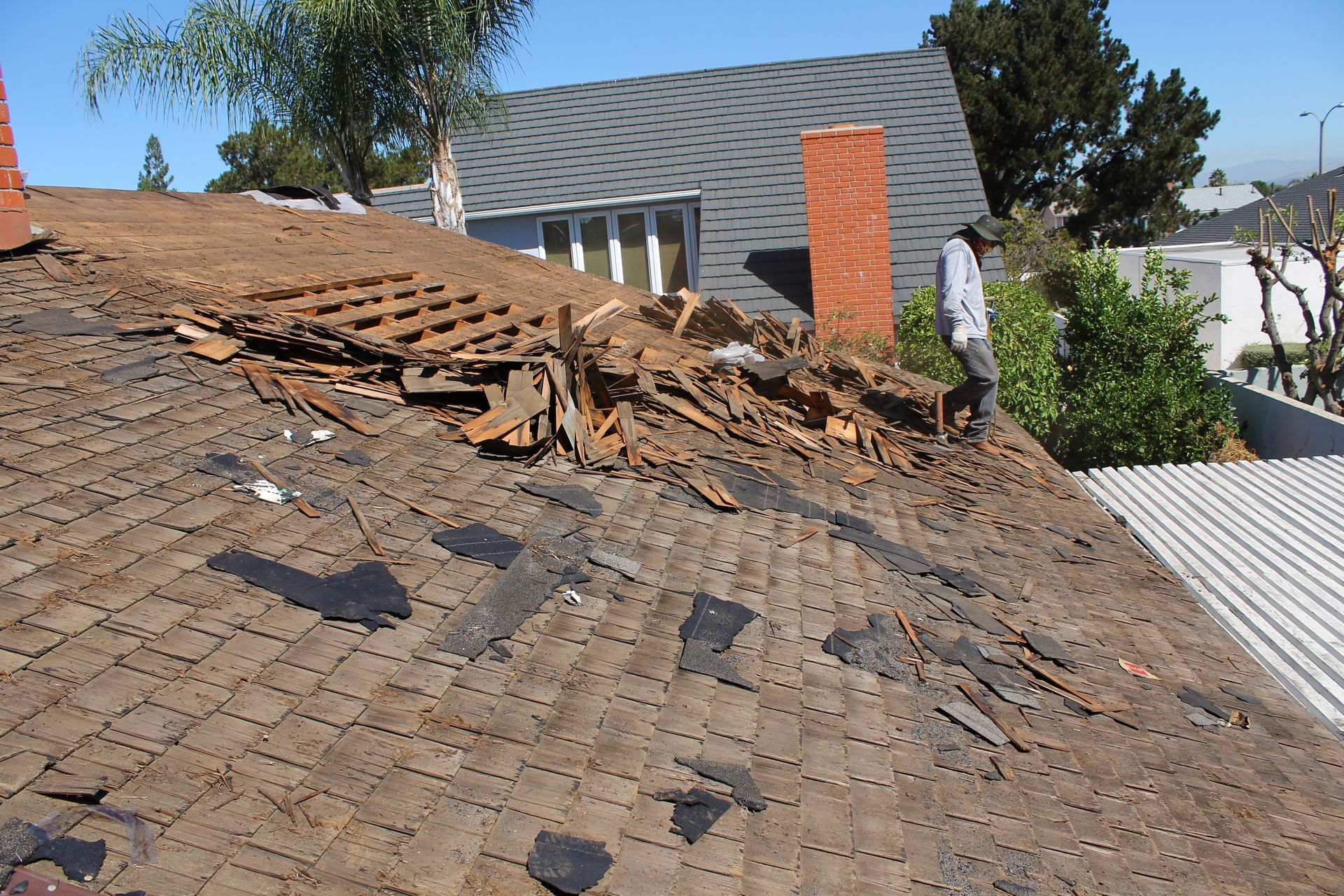
Proper site preparation is the first step in ensuring a successful roofing installation, involving several crucial tasks that set the foundation for the entire process. This preparation includes removing old roofing materials and debris, providing a clean surface for the new installation. Inspecting the roof deck for any damage or rot is essential, allowing for any necessary repairs or replacements before new roofing layers are applied. Ensuring the roof deck can support the chosen material's weight is critical, particularly for heavier materials like tile or slate, which may require additional structural support. Professionals performing the preparation should focus on safety, addressing hazards and ensuring secure scaffolding and equipment.
Installing Underlayment and Flashing
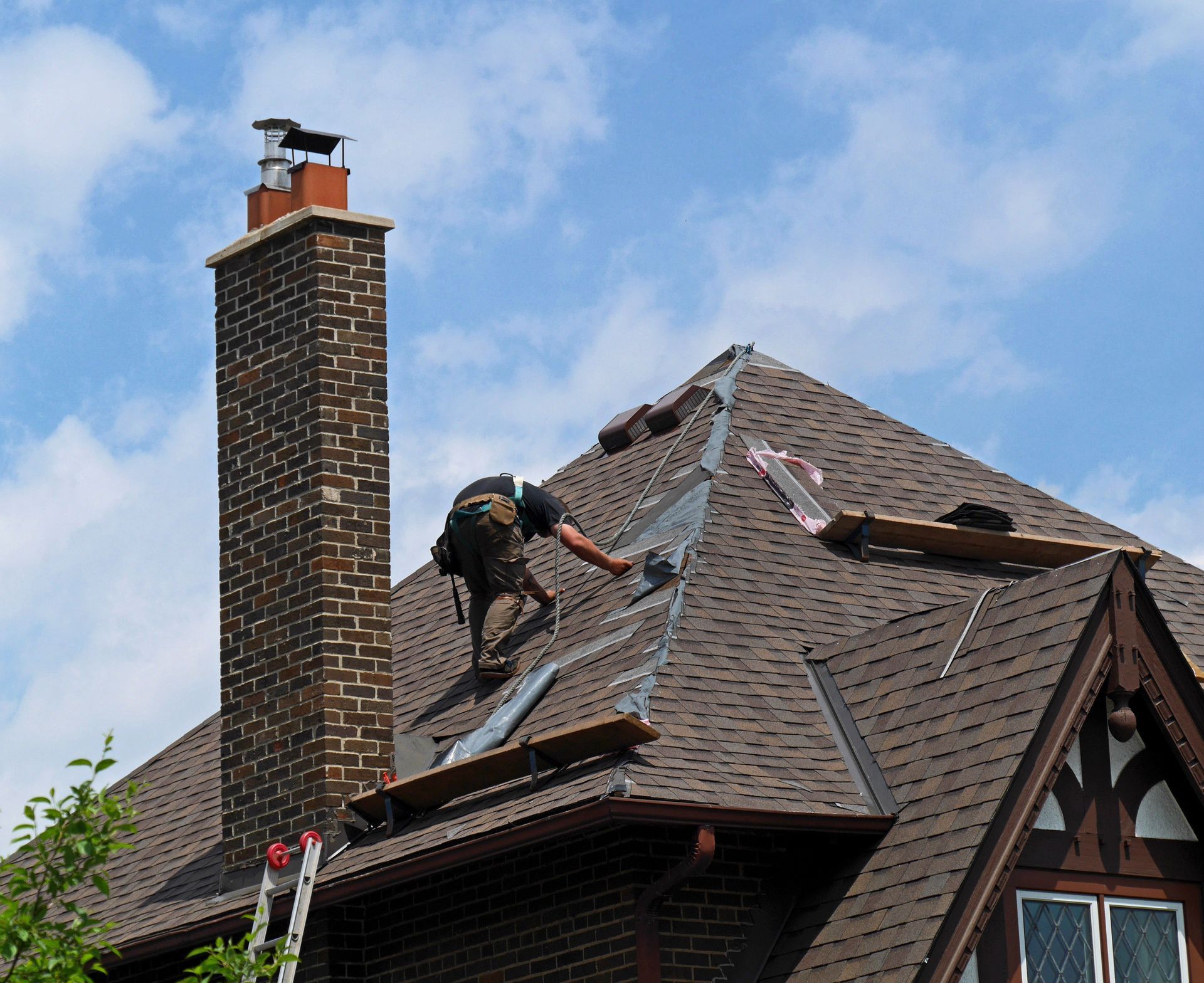
Once the site is prepared, the next step is to install underlayment, which provides an additional layer of protection against water infiltration. Proper installation of flashing around chimneys, vents, and roof edges is crucial to prevent leaks and water damage. The underlayment and flashing work together to create a barrier that extends the roof's lifespan and enhances its overall performance. Skilled professionals follow manufacturer guidelines to ensure correct placement and overlap for maximum protection.
Applying Roofing Material and Finishing Touches
The final stage involves laying the chosen material, whether asphalt shingles, metal panels, or tile, according to precise specifications. Professionals align, secure, and seal the materials to maintain structural integrity and aesthetic appeal. After installation, finishing touches like ridge caps, ventilation systems, and gutter integration are added to complete the roof and improve functionality. Proper cleanup and disposal of debris finalize the process, leaving a safe and durable roof that meets both performance and design expectations.
Selecting and installing the right residential roofing system is a significant decision that impacts a home's safety, energy efficiency, and overall value. By understanding the different materials, considering climate and budget, and working with skilled professionals at Friend Construction for installation, you can make informed choices that stand the test of time. Reach out to us today to get started with a free estimate!
Share On: